Uso de plantas medicinais no tratamento de afecções inflamatórias em pequenos animais
Revisão
DOI:
https://doi.org/10.31533/pubvet.v19n11e1864Palavras-chave:
anti-inflamatórios naturais, cães, gatos, inflamação, fitoterapiaResumo
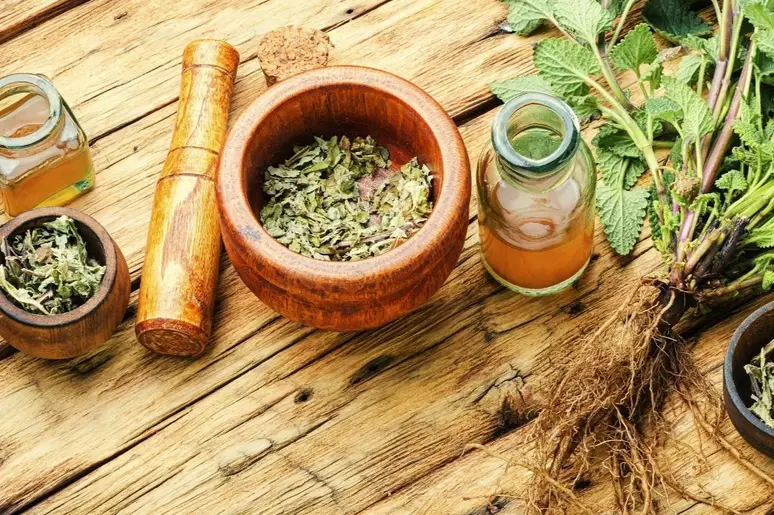
Este estudo teve como objetivo revisar o uso de fitoterápicos no tratamento de doenças inflamatórias em cães e gatos. Foi realizada revisão sistematizada em bases de dados (PubMed, Scopus, SciELO e Google Scholar) com descritores específicos. Os resultados mostraram que compostos vegetais apresentam efeitos anti-inflamatórios, antioxidantes, imunomoduladores e cicatrizantes, com benefícios em doenças musculoesqueléticas, gastrointestinais, dermatológicas e hepáticas. Apesar dos efeitos promissores, ainda há escassez de ensaios clínicos robustos e padronizados. Conclui-se que a fitoterapia tem potencial na prática veterinária, mas sua consolidação requer maior rigor científico, regulamentação específica e integração em protocolos multimodais.
Referências
Abu-Darwish, M. S., Al-Ramamneh, E. A., Kyslychenko, V. S., & Karpiuk, U. V. (2012). The antimicrobial activity of essential oils and extracts of some medicinal plants grown in Ash-shoubak region - South of Jordan. Pakistan Journal Pharmacetical Science, 25(1), 239–246. http://www.ncbi.nlm.nih.gov/pubmed/22186336.
Abu-Darwish, M. S., Cabral, C., Ferreira, I. V., Gonçalves, M. J., Cavaleiro, C., Cruz, M. T., Al-Bdour, T. H., & Salgueiro, L. (2013). Essential oil of common sage (Salvia officinalis L.) from Jordan: Assessment of safety in mammalian cells and its antifungal and anti-inflammatory potential. BioMed Research International, 2013, 1–9. https://doi.org/10.1155/2013/538940.
Akhtar, N., Zaman, S. U., Khan, B. A., Amir, M. N., & Ebrahimzadeh, M. A. (2011). Calendula extract: Effects on mechanical parameters of human skin. Acta Poloniae Pharmaceutica - Drug Research, 68(5), 693–701.
Allegra, A., Sortino, G., Inglese, P., Settanni, L., Todaro, A., & Gallotta, A. (2017). The effectiveness of Opuntia ficus-indica mucilage edible coating on post-harvest maintenance of ‘Dottato’ fig (Ficus carica L.) fruit. Food Packaging and Shelf Life, 12. https://doi.org/10.1016/j.fpsl.2017.04.010.
Almeida, A. C., Andrade, V. A., Fonseca, F. S. A., Macêdo, A. A., Santos, R. L., Colen, K. G. F., Martins, E. R., & Marcelo, N. A. (2017). Acute and chronic toxicity and antimicrobial activity of the extract of Stryphnodendron adstringens (Mart.) Coville. Pesquisa Veterinária Brasileira, 37(8), 840–846. https://doi.org/10.1590/s0100-736x2017000800010.
Almeida, M. Z. (2011). Plantas medicinais: Abordagem histórico-contemporânea. Em Plantas Medicinais (Vol. 3). SciElo Livros. https://doi.org//10.7476/9788523212162.
Alves, J. C., Santos, A., Jorge, P., Lavrador, C., & Carreira, L. M. (2020). Clinical and diagnostic imaging findings in police working dogs referred for hip osteoarthritis. BMC Veterinary Research, 16(1), 425. https://doi.org/10.1186/s12917-020-02647-2.
Amorim, W. R., Sousa, C. P., Martins, G. N., Melo, E. S., Silva, I. C. R., Corrêa, P. G. N., Santos, A. R. S. S., Carvalho, S. M. R., Pinheiro, R. E. E., & Oliveira, J. M. G. (2018). Estudo etnoveterinário de plantas medicinais utilizadas em animais da microrregião do Alto Médio Gurguéia – Piauí. PUBVET, 12(10), 1–5. https://doi.org/10.31533/pubvet.v12n10a183.1-5.
Andersson, S., & Lundeberg, T. (1995). Acupuncture—from empiricism to science: Functional background to acupuncture effects in pain and disease pain and disease. Medical Hypotheses, 45(3), 271–281. https://doi.org/10.1016/0306-9877(95)90117-5.
Angelo, P. M., & Jorge, N. (2007). Compostos fenólicos em alimentos–Uma breve revisão. Revista do Instituto Adolfo Lutz, 66(1), 1–9.
ANVISA. (2019). Farmacopeia Brasileira (ANVISA2019, Org.; 7o ed, Vol. 1). Agência Nacional de Vigilância Sanitária e Fundação Oswaldo Cruz.
Arfeen, M., Srivastava, A., Srivastava. N, Khan, R. A., Almahmoud, S. A., & Mohmmed, H. A. (2024). Design, classification, and adverse effects of NSAIDs: A review on recent advancements. Bioorganic & Medicinal Chemistry, 117899.
Balbino, E. E., & Dias, M. F. (2010). Farmacovigilância: um passo em direção ao uso racional de plantas medicinais e fitoterápicos. Revista Brasileira de Farmacognosia, 20(6), 992–1000. https://doi.org/10.1590/S0102-695X2010005000031.
Bastos, M. S., Saalfeld, R. M., Costa, B. P., Garcia, M. C., Antunes, K. H., Rodrigues, K. F., Melo, D., Santarém, E. R., & Oliveira, J. R. (2023). Moquiniastrum polymorphum subsp. polymorphum extract inhibits the proliferation of an activated hepatic stellate cell line (GRX) by regulating the p27 pathway to generate cell cycle arrest. Journal of Ethnopharmacology, 303. https://doi.org/10.1016/j.jep.2022.116056.
Beara, I. N., Lesjak, M. M., Orčić, D. Z., Simin, N. Đ., Četojević-Simin, D. D., Božin, B. N., & Mimica-Dukić, N. M. (2012). Comparative analysis of phenolic profile, antioxidant, anti-inflammatory and cytotoxic activity of two closely-related Plantain species: Plantago altissima L. and Plantago lanceolata L. LWT-Food Science and Technology, 47(1), 64–70. https://doi.org/10.1016/j.lwt.2012.01.001.
Bergamschi, K. B. (2010). Capacidade antioxidante e composição química de resíduos vegetais visando seu aproveitamento. Ciência e Tecnologia de Alimentos: Vol. Dissertação.
Biasibetti, E. (2018). Methionine Fermented Associated with Silybum marianum is a Potential Hepatoprotective and Antioxidant in Cats with Inflammatory Liver Disease. International Journal of Animal Science, 2(2), 8–11.
Board, N. (2003). Plantago ovata Forsk: Cultivation. Em N. Board (Org.), Herbs cultivation and their utilization (p. 218–228). Asia Pacific Business Pres inc.
Bolzan, T. de C. A., Severi, J. A., Villanova, J. C. O., Donatele, D. M., Madureira, A. P., & Zanini, M. S. (2020). Prospecção de extratos vegetais como coadjuvantes de higiene bucal em cães raça Labrador Retriever. PUBVET, 14(12), 1–8. https://doi.org/10.31533/pubvet.v14n12a717.1-8.
Botterweck, A. A. M., Verhagen, H., Goldbohm, R. A., Kleinjans, J., & Van Den Brandt, P. A. (2000). Intake of butylated hydroxyanisole and butylated hydroxytoluene and stomach cancer risk: results from analyses in the Netherlands Cohort Study. Food and Chemical Toxicology, 38(7), 599–605. https://doi.org/10.1016/S0278-6915(00)00042-9.
Bouaziz, M., Yangui, T., Sayadi, S., & Dhouib, A. (2009). Disinfectant properties of essential oils from Salvia officinalis L. cultivated in Tunisia. Food and Chemical Toxicology, 47(11), 2755–2760. https://doi.org/http://dx.doi.org/10.1016/j.fct.2009.08.005.
Bruneton, J. (2004). Elementos de fitoquímica y farmacognosia. Acribia, 16(3).
Calixto, J. B., Santos, A. R. S., Cechinel Filho, V., & Yunes, R. A. (1998). A review of the plants of the Genus Phyllanthus: Their chemistry, pharmacology, and therapeutic potential. Medicinal Research Reviews, 18(4), 225–258. https://doi.org/10.1002/(SICI)1098-1128.
Carneiro, S. M. T. P., Teixeira, M. Z., Nechar, R. M. C., Lonni, A. A., Rodrigues, M. R., & Filippsen, L. (2011). Homeopatia: princípios e aplicações na agroecologia. Em Londrina: IAPAR. IAPAR.
Carvalho, A. C. B., Balbino, E. E., Maciel, A., & Perfeito, J. P. S. (2008). Situação do registro de medicamentos fitoterápicos no Brasil. Revista Brasileira de Farmacognosia, 18(2), 314–319. https://doi.org/10.1590/s0102-695x2008000200028.
Carvalho, J. C. T., Gosmann, G., & Schenkel, E. P. (2007). Compostos fenólicos simples e heterosídicos. Em C. M. O. Simões (Org.), Farmacognosia: da planta ao medicamento (p. 443–459). Editora UFRGS. Porto Alegre.
Choi, W. S., Singh, S., & Lee, Y. S. (2016). Characterization of edible film containing essential oils in hydroxypropyl methylcellulose and its effect on quality attributes of ‘Formosa’plum (Prunus salicina L.). LWT-Food Science and Technology, 70, 213–222.
Chovanová, R., Mikulášová, M., & Vaverková, Š. (2013). In vitro antibacterial and antibiotic resistance modifying effect of bioactive plant extracts on methicillin-resistant staphylococcus epidermidis. International Journal of Microbiology, 2013, 760969. https://doi.org/10.1155/2013/760969.
Dandrieux, J. R. S. (2016). Inflammatory bowel disease versus chronic enteropathy in dogs: are they one and the same? Journal of Small Animal Practice, 57(11), 589–599.
Dandrieux, J. R. S., & Mansfield, C. S. (2019). Chronic enteropathy in canines: prevalence, impact and management strategies. Veterinary Medicine: Research and Reports, 10, 203. https://doi.org/10.2147/VMRR.S162774.
Dhar, M. K., Kaul, S., Sareen, S., & Koul, A. K. (2005). Plantago ovata: genetic diversity, cultivation, utilization and chemistry. Plant Genetic Resources, 3(2), 252–263. https://doi.org/10.1079/pgr200582.
Eisenberg, D. M., Davis, R. B., Ettner, S. L., Appel, S., Wilkey, S., Van Rompany, M., & Kessler, R. C. (1998). Trends in Alternative Medicine Use in the United States, 1990-1997. JAMA, 1569.
El Assal, F. E. (2012). Bioatividade in vitro de Pimenta pseudocaryophyllus sobre Candida spp e complexo. Planta, 256(256), 128.
Elkholly, D. A., Brodbelt, D. C., Church, D. B., Pelligand, L., Mwacalimba, K., Wright, A. K., & O’Neill, D. G. (2020). Side Effects to Systemic Glucocorticoid Therapy in Dogs Under Primary Veterinary Care in the UK. Frontiers in Veterinary Science, 7. https://doi.org/10.3389/fvets.2020.00515
Elshafie, H. S., Camele, I., & Mohamed, A. A. (2023). A Comprehensive Review on the Biological, Agricultural and Pharmaceutical Properties of Secondary Metabolites Based-Plant Origin. International Journal of Molecular Sciences, 24(4), 3266. https://doi.org/10.3390/ijms24098061.
Erb, M., & Kliebenstein, D. J. (2020). Plant Secondary Metabolites as Defenses, Regulators, and Primary Metabolites: The Blurred Functional Trichotomy1[OPEN]. Plant Physiology, 184(1), 39–52. https://doi.org/10.1104/PP.20.00433.
Fagundes, S. K., Melo, H. C. S., Pereira, S. G., & Sant’Ana, D. S. (2020). Eficácia da pomada de barbatimão (Stryphnodendron barbatiman) na cicatrização de feridas cutâneas iatrogênicas em gatas. Arquivos de Ciências Veterinárias e Zoologia da UNIPAR, 23(2cont). https://doi.org/10.25110/arqvet.v23i2cont.2020.8206
Falzon, C. C., & Balabanova, A. (2017). Phytotherapy: an introduction to herbal medicine. Primary Care: Clinics in Office Practice, 44(2), 217–227. https://doi.org/10.1016/j.pop.2017.02.001.
Farzaei, M. H., Zobeiri, M., Parvizi, F., El-Senduny, F. F., Marmouzi, I., Coy-Barrera, E., Naseri, R., Nabavi, S. M., Rahimi, R., & Abdollahi, M. (2018). Curcumin in liver diseases: A systematic review of the cellular mechanisms of oxidative stress and clinical perspective. Nutrients, 10(7). https://doi.org/10.3390/nu10070855.
Ferreira, T. S., Moreira, C. Z., Cária, N. Z., Victoriano, G., Silva Jr, W. F., & Magalhães, J. C. (2014). Phytotherapy: an introduction to its history, use and application. Revista Brasileira de Plantas Medicinais, 16(2), 290–298. https://doi.org/10.1590/s1516-05722014000200019.
Ferrero-Miliani, L., Nielsen, O. H., Andersen, P. S., & Girardin, S. E. (2007). Chronic inflammation: Importance of NOD2 and NALP3 in interleukin-1β generation. Clinical and Experimental Immunology, 147(2), 227–235. https://doi.org/10.1111/j.1365-2249.2006.03261.x.
Filburn, C. R., Kettenacker, R., & Griffin, D. W. (2007). Bioavailability of a silybin-phosphatidylcholine complex in dogs. Journal of Veterinary Pharmacology and Therapeutics, 30(2). https://doi.org/10.1111/j.1365-2885.2007.00834.x
Fiore, C., Eisenhut, M., Krausse, R., Ragazzi, E., Pellati, D., Armanini, D., & Bielenberg, J. (2008). Antiviral effects of Glycyrrhiza species. Phytotherapy Research, 22(2), 141–148. https://doi.org/10.1002/ptr.2295.
Firmo, W. C. A., Menezes, V. J. M., Passos, C. E. C., Dias, C. N., Alves, L. P. L., Dias, I. C. L., Neto, M. S., & Olea, R. S. G. (2012). Contexto histórico, uso popular e concepção científica sobre plantas medicinais. Cadernos de Pesquisa, 18, 90–95.
Flora, K., Hahn, M., Rosen, H., & Benner, K. (1998). Milk thistle (Silybum marianum) for the therapy of liver disease. American Journal of Gastroenterology, 93(2), 139–143. https://doi.org/10.1016/s0002-9270(97)00082-8.
Fougere, B. (2025). Western Botanical Medicine for Small Animals. Veterinary Clinics of North America. Small Animal Practice.
Gobbo-Neto, L., & Lopes, N. P. (2007). Plantas medicinais: fatores de influência no conteúdo de metabólitos secundários. Química Nova, 30(2), 374–381. https://doi.org/10.1590/S0100-40422007000200026.
Gogulski, M., Cieślak, A., Grabska, J., Ardois, M., Pomorska-Mól, M., Kołodziejski, P. A., Libera, K., Strompfová, V., & Szumacher-Strabel, M. (2021). Effects of silybin supplementation on nutrient digestibility, hematological parameters, liver function indices, and liver-specific mi-RNA concentration in dogs. BMC Veterinary Research, 17(1), 228. https://doi.org/10.1186/s12917-021-02929-3.
Górniak, S. L. (2012). Anti-inflamatórios não esteroidais. Em D. T. Fantoni (Org.), Tratamento da dor na clínica de pequenos animais. Elsevier.
Gouvêa, F. N., Pennachi, C. S., Assaf, N. D., Arantes, E. A. L., Stefaniszen, A. G., Vieira, E. M., Genari, V., Guimarães-Okamoto, P. T. C., & Melchert, A. (2020). Doenças inflamatória intestinal em cães - Relato de casos. Ars Veterinaria, 36(4), 332–336. https://doi.org/10.15361/2175-0106.2020v36n4p332-336.
Guo, X., Wang, Y., Zhu, Z., & Li, L. (2024). The Role of Plant Extracts in Enhancing Nutrition and Health for Dogs and Cats: Safety, Benefits, and Applications. Veterinary Sciences, 11(9), 426.
Hall, E. J., & German, A. J. (2008). Inflammatory bowel disease. Em J. M. Steiner (Org.), Small animal gastroenterology.
Hannodee, S., & Nasuruddin, D. N. (2025). Acute Inflammatory Response.
Haraguchi, L. M. M., & Carvalho, O. B. (2010). Plantas medicinais. Em Plantas medicinais do curso de plantas medicinais.
Hillier, T. N., Watt, M. M., Grimes, J. A., Berg, A. N., Heinz, J. A., & Dickerson, V. M. (2025). Dogs receiving cyclooxygenase-2–sparing nonsteroidal anti-inflammatory drugs and/or nonphysiologic steroids are at risk of severe gastrointestinal ulceration. Journal of the American Animal Hospital Association, 263(3), 1–8.
Ishida, K., de Mello, J. C. P., Cortez, D. A. G., Filho, B. P. D., Ueda-Nakamura, T., & Nakamura, C. V. (2006). Influence of tannins from Stryphnodendron adstringens on growth and virulence factors of Candida albicans. Journal of Antimicrobial Chemotherapy, 58(5), 942–949. https://doi.org/10.1093/jac/dkl377.
Jergens, A. E. (1999). Inflammatory bowel disease: current perspectives. Veterinary Clinics of North America: Small Animal Practice, 29(2), 501–521. https://doi.org/10.1016/S0195-5616(99)50032-6.
Jorge, O. A., & Jorge, A. D. (2005). Hepatotoxicity associated with the ingestion of Centella asiatica. Revista Española de Enfermedades Digestivas, 97(2). https://doi.org/10.4321/s1130-01082005000200006.
Kern, A., & Perreten, V. (2013). Clinical and molecular features of methicillin-resistant, coagulase-negative staphylococci of pets and horses. Journal of Antimicrobial Chemotherapy, 68(6), 1256–1266. https://doi.org/10.1093/jac/dkt020.
Khalid, K. A., & Teixeira da Silva, J. A. (2010). Yield, essential oil and pigment content of Calendula officinalis L. flower heads cultivated under salt stress conditions. Scientia Horticulturae, 126(2), 297–305. https://doi.org/http://dx.doi.org/10.1016/j.scienta.2010.07.023
Lameira, O. A. (2008). Plantas medicinais: Do cultivo, manipulação e uso à recomendação popular. Embrapa Amazônia Oriental.
Lima, T. C. D., Cardoso, M. V., Modesto, T., Oliveira, A. L. B., Silva, M. N., & Monteiro, M. C. (2016). Breve revisão etnobotânica, fitoquímica e farmacologia de Stryphnodendron adstringens utilizada na Amazônia. Revista Fitos, 10(3). https://doi.org/10.5935/2446-4775.20160025.
Mabona, U., Viljoen, A., Shikanga, E., Marston, A., & Van Vuuren, S. (2013). Antimicrobial activity of southern African medicinal plants with dermatological relevance: From an ethnopharmacological screening approach, to combination studies and the isolation of a bioactive compound. Journal of Ethnopharmacology, 148(1), 45–55. https://doi.org/10.1016/j.jep.2013.03.056.
Malewska, K., Rychlik, A., Nieradka, R., & Kander, M. (2011). Treatment of inflammatory bowel disease (IBD) in dogs and cats. Polish Journal of Veterinary Sciences, 14(1), 165–171. https://doi.org/10.2478/v10181-011-0026-7.
Maquart, F. X., Bellon, G., Gillery, P., Wegrowski, Y., & Borel, J. P. (1990). Stimulation of collagen synthesis in fibroblast cultures by a triterpene extracted from Centella asiatica. Connective Tissue Research, 24(2), 107–120. https://doi.org/10.3109/03008209009152427.
Mariutti, L. R. B., & Bragagnolo, N. (2009). A oxidação lipídica em carne de frango e o impacto da adição de sálvia (Salvia officinalis, L.) e de alho (Allium sativum, L.) como antioxidantes naturais. Revista do Instituto Adolfo Lutz, 68(1), 1–11.
Marques, M. L. O., Fernandes, L. D., Simone, N. T., Caldeira, C. S., & Carneiro Júnior, W. A. (2021). Doença inflamatória intestinal: Revisão. PUBVET, 15(12), 1–10. https://doi.org/10.31533/pubvet.v15n12a977.1-10.
Marsilio, S. (2021). Differentiating Inflammatory Bowel Disease from Alimentary Lymphoma in Cats: Does It Matter? Veterinary Clinics of North America - Small Animal Practice, 51(1), 93–109. https://doi.org/10.1016/j.cvsm.2020.09.009.
Masood, R., & Miraftab, M. (2010). Psyllium: current and future applications. Em Medical and Healthcare Textiles (p. 244–253). Elsevier. https://doi.org/10.1533/9780857090348.244.
Medzhitov, R. (2008). Origin and physiological roles of inflammation. Em Nature (Vol. 454, Número 7203, p. 428–435). https://doi.org/10.1038/nature07201.
Mehrabani, D., Ziaei, M., Hosseini, S. V., Ghahramani, L., Bananzadeh, A. M., Ashraf, M. J., Amini, A., Amini, M., & Tanideh, N. (2011). The effect of calendula officinalis in therapy of acetic acid induced ulcerative colitis in dog as an animal model. Iranian Red Crescent Medical Journal, 13(12), 884–890.
Miziara, L., & Mergulhão, F. (2024). Uso de bedinvetmab para controle de dor crônica em cão com osteoartrite: Relato de caso. PUBVET, 18(1), e1528. https://doi.org/0.31533/pubvet.v18n01e1528.
Moieni, M., & Eisenberger, N. I. (2018). Effects of inflammation on social processes and implications for health. Annals of the New York Academy of Sciences, 1428(1), 5. https://doi.org/10.1111/nyas.13864.
Moreau, M., Lussier, B., Pelletier, J. P., Martel-Pelletier, J., Bédard, C., Gauvin, D., & Troncy, E. (2014). A medicinal herb-based natural health product improves the condition of a canine natural osteoarthritis model: A randomized placebo-controlled trial. Research in Veterinary Science, 97(3), 574–581. https://doi.org/10.1016/j.rvsc.2014.09.011.
Mothana, R. A. A., Hasson, S. S., Schultze, W., Mowitz, A., & Lindequist, U. (2011). Phytochemical composition and in vitro antimicrobial and antioxidant activities of essential oils of three endemic Soqotraen boswellia species. Food Chemistry, 126(3), 1149–1154. https://doi.org/http://dx.doi.org/10.1016/j.foodchem.2010.11.150
Nathan, C., & Ding, A. (2010). Nonresolving Inflammation. Em Cell (Vol. 140, Número 6, p. 871–882). https://doi.org/10.1016/j.cell.2010.02.029.
Navarrete, S., Kemp, P. D., Pain, S. J., & Back, P. J. (2016). Bioactive compounds, aucubin and acteoside, in plantain (Plantago lanceolata L.) and their effect on in vitro rumen fermentation. Animal Feed Science and Technology, 222, 158–167. https://doi.org/10.1016/j.anifeedsci.2016.10.008,
Neres, L. B. R., Bentes, G. N., Castro, A. L. V. S., Carvalho, A. G. P., Freitas, F. N. F. A., Martins, L. E., & Barros, B. C. V. (2025). Uso de agentes dermatológicos na clínica de pequenos animais: Revisão. PUBVET, 19(4), 1–10. https://doi.org/10.31533/pubvet.v19n04e1754.
Neves, M. E. P. S., Sousa, M. N. A., & Araújo, D. K. L. (2022). Medicamentos fitoterápicos no tratamento da osteoartrite. Revista Eletrônica Acervo Saúde, 15(12). https://doi.org/10.25248/reas.e11664.2022.
Newman, D. J., & Cragg, G. M. (2007). Natural products as sources of new drugs over the last 25 years. Journal of Natural Products, 70(3), 461–477. https://doi.org/10.1021/np068054v.
Oliveira, A. C., Valentim, I. B., Goulart, M. O. F., Silva, C. A., Bechara, E. J. H., & Trevisan, M. T. S. (2009). Fontes vegetais naturais de antioxidantes. Química Nova, 32(3), 1–15. https://doi.org/10.1590/s0100-40422009000300013.
Ozaki, A. T., & Duarte, P. C. (2006). Fitoterápicos utilizados na medicina veterinária, em cães e gatos. Revista Pharmacia Brasileira. Infarma, 18(11–12), 17–25.
Pataraporn, S., & Bunaim, H. K. (2023). Effects of a Standardized Extract of Centella asiatica ECa 233 on Clinical Parameters and Radiography Using Computed Tomography in Dogs. Journal of Applied Animal, 93(1), 39–50.
Pero, M. E., Cortese, L., Mastellone, V., Tudisco, R., Musco, N., Scandurra, A., D’aniello, B., Vassalotti, G., Bartolini, F., & Lombardi, P. (2019). Effects of a nutritional supplement on cognitive function in aged dogs and on synaptic function of primary cultured neurons. Animals, 9(7). https://doi.org/10.3390/ani9070393.
Piotti, P., Pierantoni, L., Albertini, M., & Pirrone, F. (2024). Inflammation and Behavior Changes in Dogs and Cats. Veterinary Clinics of North America - Small Animal Practice, 54(1), 1–16. https://doi.org/10.1016/j.cvsm.2023.08.006.
Pisoschi, A. M., Pop, A., Cimpeanu, C., & Predoi, G. (2016). Antioxidant capacity determination in plants and plant-derived products: A review. Oxidative Medicine and Cellular Longevity, 2016, 1–36. https://doi.org/10.1155/2016/9130976.
Prakash, V., Jaiswal, N., & Srivastava, M. (2017). A review on medicinal properties of Centella asiatica. Asian Journal of Pharmaceutical and Clinical Research, 10(10). https://doi.org/10.22159.
Priya, R., Prathapan, A., Raghu, K. G., & Menon, A. N. (2012). Chemical composition and in vitro antioxidative potential of essential oil isolated from Curcuma longa L. leaves. Asian Pacific Journal of Tropical Biomedicine, 2(2, Supplement), S695–S699. http://dx.doi.org/10.1016/S2221-1691(12)60298-6
Provenza, F. D., & Villalba, J. J. (2010). The role of natural plant products in modulating the immune system: an adaptable approach for combating disease in grazing animals. Small Ruminant Research, 89(2–3), 131–139. https://doi.org/http:/dx.doi.org/10.1016/j.smallrumres.2009.12.035.
Rates, S. M. K. (2001). Plants as source of drugs. Toxicon, 39(5), 603–613. https://doi.org/10.1016/S0041-0101(00)00154-9.
Rezende, F. M., Rosado, D., Moreira, F. A., & Carvalho, W. R. S. (2016). Vias de síntese de metabólitos secundários em plantas. VI Botânica no Inverno – São Paulo, 223.
Ribeiro, L. H. L. (2019). Análise dos programas de plantas medicinais e fitoterápicos no Sistema Único de Saúde (SUS) sob a perspectiva territorial. Ciência & Saúde Coletiva, 24(5), 1733–1742. https://doi.org/10.1590/1413-81232018245.15842017.
Romero, M. del C., Valero, A., Martín-Sánchez, J., & Navarro-Moll, M. C. (2012). Activity of Matricaria chamomilla essential oil against anisakiasis. Phytomedicine, 19(6), 520–523. https://doi.org/10.1016/j.phymed.2012.02.005.
Romero‐Baranzini, A. L., Rodriguez, O. G., Yanez‐Farias, G. A., Barron‐Hoyos, J. M., & Rayas‐Duarte, P. (2006). Chemical, physicochemical, and nutritional evaluation of Plantago (Plantago ovata Forsk). Cereal Chemistry, 83(4), 358–362. https://doi.org/10.1094/CC-83-0358.
Rotpenpian, N., Arayapisit, T., Roumwong, A., Pakaprot, N., Tantisira, M., & Wanasuntronwong, A. (2021). A standardized extract of centella asiatica (Eca 233) prevents temporomandibular joint osteoarthritis by modulating the expression of local inflammatory mediators in mice. Journal of Applied Oral Science, 29. https://doi.org/10.1590/1678-7757-2021-0329.
Ru, L., Liu, R., Xing, H., Yuan, Y., Yuan, Z., Xu, Z., Xu, Q., Song, J., & Li, X. (2023). Acute and subacute oral toxicity assessment of Gancao Xiexin decoction in Sprague-Dawley rats. Frontiers in Pharmacology, 13. https://doi.org/10.3389/fphar.2022.1078665
Rusian, M. (2008). Origin and physiological roles of inflammation. Nature, 454.
Russo, R., Autore, G., & Severino, L. (2009). Pharmaco-toxicological aspects of herbal drugs used in domestic animals. Natural Product Communications, 4(12). https://doi.org/10.1177/1934578x0900401230.
Santana, D. C., Souza, T. S., Pierro, P. C. C., Amaral, A. A., & Alegre, A. (2015). Uso de plantas medicinais na criação animal. Enciclopédia Biosfera, 11, 96–98.
Santos, A. C. G., Forgacs, A. G. B., Barral, I. S., Rocha, N. R., Pinto, N. R., Ribeiro, R. A., & Faro, R. T. (2025). Osteoartrite em felinos domésticos: Cuidados integrados e estratégias para promoção do bem-estar. PUBVET, 19(4), 1–7. https://doi.org/10.31533/pubvet.v19n04e1755.
Santos, L. P., Morais, D. R., Souza, N. E., Cottica, S. M., Boroski, M., & Visentainer, J. V. (2011). Phenolic compounds and fatty acids in different parts of Vitis labrusca and V. vinifera grapes. Food research international, 44(5), 1414–1418. https://doi.org/10.1016/j.foodres.2011.02.022.
Santos, R. (2014). Homeopatia: histórico e fundamentos. Revista Científica da Faculdade de Educação e Meio Ambiente, 5, 60–78.
Santos, S. C., Costa, W. F., Ribeiro, J. P., Guimarães, D. O., Ferri, P. H., Ferreira, H. D., & Seraphin, J. C. (2002). Tannin composition of barbatimão species. Fitoterapia, 73(4), 292–299. https://doi.org/10.1016/S0367-326X(02)00081-3.
Scholl, A. L., & Ricardo, K. R. (2010). Conhecimento popular sobre o uso de plantas medicinais. Caxias do Sul.
Schweiger, D., Schoelermann, A. M., Filbry, A., Hamann, T., Moser, C., & Rippke, F. (2015). Highly efficient and compatible shampoo for use after hair transplant. Clinical, Cosmetic and Investigational Dermatology, 8, 355–360. https://doi.org/10.2147/CCID.S86015.
Sen, T., & Samanta, S. K. (2014). Medicinal plants, human health and biodiversity: A broad review. Advances in Biochemical Engineering/Biotechnology, 147. https://doi.org/10.1007/10_2014_273.
Shahane, K., Kshirsagar, M., Tambe, S., Jain, D., Rout, S., Ferreira, M. K. M., Mali, S., Amin, P., Srivastav, P. P., Cruz, J., & Lima, R. R. (2023). An Updated Review on the Multifaceted Therapeutic Potential of Calendula officinalis L. Pharmaceuticals, 16(4), 611. https://doi.org/10.3390/ph16040611.
Shin, S. A., Joo, B. J., Lee, J. S., Ryu, G., Han, M., Kim, W. Y., Park, H. H., Lee, J. H., & Lee, C. S. (2020). Phytochemicals as Anti-Inflammatory Agents in Animal Models of Prevalent Inflammatory Diseases. Molecules, 25(24). https://doi.org/10.3390/MOLECULES25245932.
Shukla, A., Rasik, A. M., & Dhawan, B. N. (1999). Asiaticoside-induced elevation of antioxidant levels in healing wounds. Phytotherapy Research, 13(1), 50–54. https://doi.org/10.1002/(SICI)1099-1573.
Siddiqui, M. Z. (2011). Boswellia serrata, a potential antiinflammatory agent: An overview. Indian Journal of Pharmaceutical Sciences, 73(3), 255–261. https://doi.org/10.4103/0250-474X.93507.
Silva, C. I., Cardoso, M. A. P., Vital, A. C. P., Casetta, J., Saraiva, B. R., Prado, I. N., & Prado, R. M. (2025). Uso de psyllium em diversos segmentos da indústria. PUBVET, 19(3), 1–7. https://doi.org/10.31533/pubvet.v19n03e1740.
Silvello, C. L. C. (2010). O uso de plantas medicinais e de fitoterápicos no SUS: uma revisão bibliográfica. Universidade Federal do Rio Grande do Sul.
Simonetti, G., Tocci, N., Valletta, A., Brasili, E., D’Auria, F. D., Idoux, A., & Pasqua, G. (2016). In vitro antifungal activity of extracts obtained from Hypericum perforatum adventitious roots cultured in a mist bioreactor against planktonic cells and biofilm of Malassezia furfur. Natural Product Research, 30(5), 544–550. https://doi.org/10.1080/14786419.2015.1028059.
Sousa, V. F. O., Bandeira, A. S., Ribeiro, M. D. S., Santos, J. J. F., Santos, G. L., Silva, R. A., Maracajá, P. B., & Costa, J. E. (2020). Uso de fitoterápicos na cura de enfermidades em animais no Semiárido Paraibano. Research, Society and Development, 9(7), e261974040–e261974040. https://doi.org/10.33448/rsd-v9i7.4040.
Souza, T. M., Severi, J. A., Silva, V. Y. A., Santos, E., & Pietro, R. C. L. R. (2007). Bioprospecção de atividade antioxidante e antimicrobiana da casca de Stryphnodendron adstringens (Mart.) Coville (Leguminosae-Mimosoidae). Revista de Ciências Farmacêuticas Básica e Aplicada, 28(2), 221–226.
Stabile, M., Fracassi, L., Lacitignola, L., Garcia-Pedraza, E., Girelli, C. R., Calculli, C., D’Uggento, A. M., Ribecco, N., Crovace, A., Fanizi, F. P., & Staffieri, F. (2024). Effects of a feed supplement, containing undenatured type II collagen (UC II®) and Boswellia serrata, in the management of mild/moderate mobility disorders in dogs: A randomized, double-blind, placebo controlled, cross-over study. Plos One, 19(10), e0305697.
Stefanović, O. D., Stanojević, D. D., & Čomić, L. R. (2012). Synergistic antibacterial activity of Salvia officinalis and Cichorium intybus extracts and antibiotics. Acta Poloniae Pharmaceutica - Drug Research, 69(3), 457–463.
Sun, B., Wu, L., Wu, Y., Zhang, C., Qin, L., Hayashi, M., Kudo, M., Gao, M., & Liu, T. (2020). Therapeutic Potential of Centella asiatica and Its Triterpenes: A Review. Frontiers in Pharmacology, 11. https://doi.org/10.3389/fphar.2020.568032.
Süntar, I., Akkol, E. K., Keleş, H., Oktem, A., Başer, K. H. C., & Yeşilada, E. (2011). A novel wound healing ointment: A formulation of Hypericum perforatum oil and sage and oregano essential oils based on traditional Turkish knowledge. Journal of ethnopharmacology, 134(1), 89–96. http://dx.doi.org/10.1016/j.jep.2010.11.061.
Suzuki, A. L. M., Baroni, C., Ranucci, J. S. T., & Martins, L. A. (2020). Cartilha de plantas medicinais: indicadas para alívio de sintomas respiratórios. PROREXT/UFRGS.
Talukder, P., Talapatra, S., Ghoshal, N., & Sen Raychaudhuri, S. (2016). Antioxidant activity and high‐performance liquid chromatographic analysis of phenolic compounds during in vitro callus culture of Plantago ovata Forsk. and effect of exogenous additives on accumulation of phenolic compounds. Journal of the Science of Food and Agriculture, 96(1), 232–244. https://doi.org/10.1002/jsfa.7086.
Tan, S. C., Bhattamisra, S. K., Chellappan, D. K., & Candasamy, M. (2021). Actions and therapeutic potential of madecassoside and other major constituents of Centella asiatica: A review. Applied Sciences (Switzerland), 11(18). https://doi.org/10.3390/app11188475.
Tasaka, A. C. (2017). Anti-inflamatórios não esteroidais. Em H. S. Spinosa, S. L. Górniak, & M. M. Bernardi (Orgs.), Farmacologia aplicada à medicina veterinária. Guanabara Koogan.
Taylor, S., Saint Denis, K., Collins, S., Dowgray, N., Ellis, S. L. H., Heath, S., Rodan, I., & Ryan, L. (2022). ISFM/AAFP Cat friendly veterinary environment guidelines. Journal of Feline Medicine and Surgery, 24(11), 1133–1163. https://doi.org/10.1177/1098612X221128763.
Thakur, V. K., & Thakur, M. K. (2014). Recent trends in hydrogels based on psyllium polysaccharide: a review. Journal of Cleaner Production, 82, 1–15. https://doi.org/10.1016/j.jclepro.2014.06.066.
Tiefenthaler, R. (1996). Homeopathy for pets and production. Andrei.
Tirona, R. G., & Bailey, D. G. (2006). Herbal product-drug interactions mediated by induction. British Journal of Clinical Pharmacology, 61(6), 677–681. https://doi.org/10.1111/j.1365-2125.2006.02684.x.
Tolouee, M., Alinezhad, S., Saberi, R., Eslamifar, A., Zad, S. J., Jaimand, K., Taeb, J., Rezaee, M.-B., Kawachi, M., Shams-Ghahfarokhi, M., & Razzaghi-Abyaneh, M. (2010). Effect of Matricaria chamomilla L. flower essential oil on the growth and ultrastructure of Aspergillus niger van Tieghem. International journal of food microbiology, 139(3), 127–133. https://doi.org/http://dx.doi.org/10.1016/j.ijfoodmicro.2010.03.032.
Treister-Goltzman, Y., & Peleg, R. (2015). Trends in publications on complementary and alternative medicine in the medical literature. Journal of Complementary and Integrative Medicine, 12(2). https://doi.org/10.1515/jcim-2014-0055.
Vairappan, B., Sundhar, M., & Srinivas, B. H. (2019). Resveratrol Restores Neuronal Tight Junction Proteins Through Correction of Ammonia and Inflammation in CCl4-Induced Cirrhotic Mice. Molecular Neurobiology, 56(7), 4718–4729. https://doi.org/10.1007/s12035-018-1389-x.
Vellosa, J. C. R., Chibinski, P. G., Manente, F. A., Tonin, R. J., & Lima, L. W. (2013). Alterações metabólicas e inflamatórias em condições de estresse oxidativo. Revista de Ciências Farmacêuticas Básica e Aplicada, 34(3), 305–312.
Zhang, M., Mo, R., Wang, H., Liu, T., Zhang, G., & Wu, Y. (2023). Grape seed proanthocyanidin improves intestinal inflammation in canine through regulating gut microbiota and bile acid compositions. FASEB Journal, 37(12). https://doi.org/10.1096/fj.202300819RR.
Zhou, S., Lim, L. Y., & Chowbay, B. (2004). Herbal Modulation of P-Glycoprotein. Drug Metabolism Reviews, 36(1), 57–104. https://doi.org/10.1081/DMR-120028427.
Downloads
Publicado
Edição
Seção
Licença
Direitos autorais (c) 2025 Barbara Bettanin Gatti, Matheus Scherer Bastos

Este trabalho está licenciado sob uma licença Creative Commons Attribution 4.0 International License.
Você tem o direito de:
Compartilhar — copiar e redistribuir o material em qualquer suporte ou formato
Adaptar — remixar, transformar, e criar a partir do material para qualquer fim, mesmo que comercial.
O licenciante não pode revogar estes direitos desde que você respeite os termos da licença. De acordo com os termos seguintes:
Atribuição
— Você deve dar o crédito apropriado, prover um link para a licença e indicar se mudanças foram feitas. Você deve fazê-lo em qualquer circunstância razoável, mas de nenhuma maneira que sugira que o licenciante apoia você ou o seu uso. Sem restrições adicionais
— Você não pode aplicar termos jurídicos ou medidas de caráter tecnológico que restrinjam legalmente outros de fazerem algo que a licença permita.