Clinical, nutritional, metabolic, and behavioral profile of obese dogs
Keywords:
Dyslipidemias, physical exercise, nutritional management, animal healthAbstract
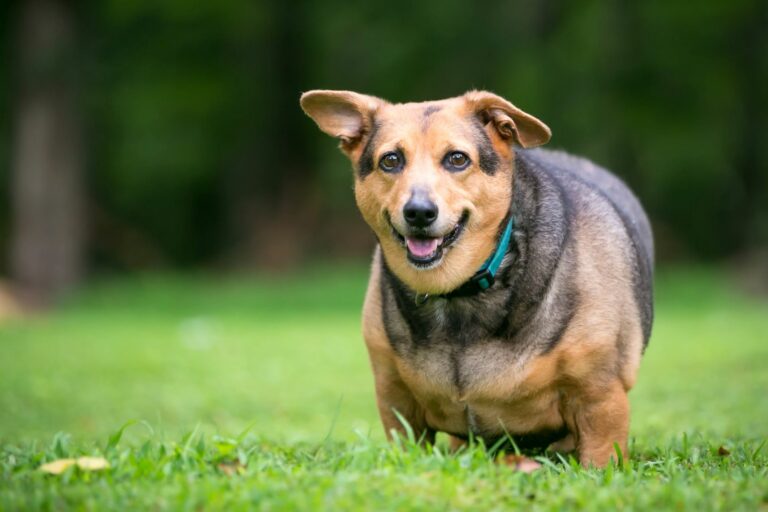
Obesity currently stands out as one of the most prevalent and rapidly growing diseases in the canine population, resulting from the interaction of several factors, such as genetic predisposition and excessive food intake. In addition to the increase in adipose tissue, this condition is associated with important metabolic alterations, especially dyslipidemias, characterized by elevated serum concentrations of triglycerides and cholesterol, which may also contribute to the development of other diseases. In this context, obesity represents a significant veterinary public health concern, negatively affecting the well-being, longevity, and quality of life of these animals. Therefore, this study aimed to characterize the clinical, nutritional, behavioral, and laboratory profile of obese dogs treated at a veterinary teaching clinic. Dogs classified as obese based on body condition score (BCS: 7-9) were evaluated considering variables such as sex, age, breed, reproductive status, body weight, type and frequency of feeding, treat offerings, home environment, physical activity, associated clinical signs, and laboratory abnormalities. The results demonstrated a higher occurrence of obesity in females and neutered animals, associated with inadequate feeding management, frequent treat offerings, low levels of physical activity, and the presence of metabolic alterations. Therefore, the importance of continuous veterinary guidance, proper nutritional management, and the adoption of preventive strategies for the control of canine obesity is emphasized.
References
Alves, B. F. A., & Hebling, L. M. G. F. (2020). Vantagens e desvantagens da castração cirúrgica de cães domésticos. Uma revisão integrativa de literatura. Brazilian Journal of Development, 6(9), 73157–73168. https://doi.org/10.34117/bjdv6n9-683.
Brunetto, M. A., Nogueira, S., Sá, F. C., Peixoto, M., Vasconcellos, R. S., Ferraudo, A. J., & Carciofi, A. C. (2011). Correspondência entre obesidade e hiperlipidemia em cães. Ciência Rural, 41(2), 266–271.
Camargo, M. A. (2017). Dislipidemias em animais (pp. 1–5).
Courcier, E. A., Thomson, R. M., Mellor, D. J., & Yam, P. S. (2010). An epidemiological study of environmental factors associated with canine obesity. Journal of Small Animal Practice, 51(7), 362–367. https://doi.org/10.1111/j.1748-5827.2010.00933.x.
Dominguez, M. S. G., & Bernal, L. (2011). Diagnosis and management of obesity in dogs: A review. Diagnostico y Manejo de la Obesidad en Perros: Una Revisión., 6(2).
German, A. J. (2006). The growing problem of obesity in dogs and cats. Journal of Nutrition, 136(7). https://doi.org/10.1093/jn/136.7.1940s.
German, A. J., Holden, S. L., Wiseman-Orr, M. L., Reid, J., Nolan, A. M., Biourge, V., Morris, P. J., & Scott, E. M. (2012). Quality of life is reduced in obese dogs but improves after successful weight loss. Veterinary Journal, 192(3), 428–434. https://doi.org/10.1016/j.tvjl.2011.09.015.
Grogan, N. (1995). Obesity in the dog and cat. Irish Veterinary Journal, 48(7–8), 287–288. https://doi.org/10.1201/9781315151625.
Jeusette, I., Detilleux, J., Cuvelier, C., Istasse, L., & Diez, M. (2004). Ad libitum feeding following ovariectomy in female Beagle dogs: Effect on maintenance energy requirement and on blood metabolites. Journal of Animal Physiology and Animal Nutrition, 88(3–4), 117–121. https://doi.org/10.1111/j.1439-0396.2003.00467.x.
Kealy, R. D., Lawler, D. F., Ballam, J. M., Mantz, S. L., Biery, D. N., Greeley, E. H., Lust, G., Segre, M., Smith, G. K., & Stowe, H. D. (2002). Effects of diet restriction on life span and age-related changes in dogs. Journal of the American Veterinary Medical Association, 220(9), 1315–1320. https://doi.org/10.2460/javma.2002.220.1315.
Laflamme, D. P. (1997a). Development and validation of a body condition score system for dogs. - Abstract - Europe PubMed Central. Canine Practice, 22(1).
Laflamme, D. P. (1997b). Nestlé PURINA Body Condition System. Feline Practice, 25.
Laflamme, D. P. (2012c). Companion animals symposium: obesity in dogs and cats: what is wrong with being fat? Journal of Animal Science, 90(5), 1653–1662. https://doi.org/10.2527/jas.2011-4571.
Lund, E., O’Neill, D. G., Gostelow, R., Orme, C., Church, D. B., Niessen, S. J. M., Verheyen, K., Brodbelt, D. C., Öhlund, M., Egenvall, A., Fall, T., Hansson-Hamlin, H., Röcklinsberg, H., Holst, B. S., Ström Holst, B., Hansson-Hamlin, H., Bonnett, B., Egenvall, A., Armstrong, P., … Hall, M. J. (2017). Prevalence and risk factors for obesity in adult dogs from private us veterinary practices. Journal of Feline Medicine and Surgery, 4(2), 10.
Oliveira, J. S., & Zimmermann, M. (2017). Principais aspectos da obesidade em cães. Revista Científica de Medicina Veterinária, 3(1), 36–50.
Preet, G. S., Turkar, S., Scholar, S. G., Scholar, S. K., & Kumar, S. (2021). Dog obesity: Epidemiology, risk factors, diagnosis and management: A review paper. The Pharma Innovation Journal, (5), 698 .
Santos, W. L. F., & Freitas, T. M. S. (2022). Obesidade e seus efeitos na rotina de cães. PUBVET, 16(11), 1–7. https://doi.org/10.31533/pubvet.v16n11a1252.1-7.
Silva, L. P. S. S., Nora Júnior, R. C. H., Pereira, C. M. C., & Bernardino, V. M. P. (2019). Manejo nutricional para cães e gatos obesos. PUBVET, 13(5), 1–12. https://doi.org/10.31533/pubvet.v13n5a339.1-12
Silva, S. F., Brito, A. K. F., Freire, B. A. A., Sousa, L. M., & Pereira, I. M. (2017). Obesidade canina: Revisão. PUBVET, 11(4), 371–380. https://doi.org/10.22256/pubvet.v11n4.371-380.
Xenoulis, P. G., & Steiner, J. M. (2010). Lipid metabolism and hyperlipidemia in dogs. The Veterinary Journal, 183(1), 12–21.
Xenoulis, P. G., Suchodolski, J. S., & Steiner, J. M. (2008). Chronic pancreatitis in dogs and cats. Compendium, 30(3), 166–181.
Zoran, D. L. (2010). Obesity in dogs and cats: a metabolic and endocrine disorder. Veterinary Clinics: Small Animal Practice, 40(2), 221–239. https://doi.org/10.1016/j.cvsm.2009.10.009.
Downloads
Published
Issue
Section
License
Copyright (c) 2026 Rayane da Silva Fernandes, Luiz Felipe Morais de Oliveira, Thayane Sant'Ana Ribeiro de Carvalho, Júlia Cordeiro Marques, Ana Carolina Silva Lage, Jorge Luiz Pinto Abrahão, Lorraine Cristina Gomes Dias, Gabrielle Costa, Natália Lôres Lopes

This work is licensed under a Creative Commons Attribution 4.0 International License.
Você tem o direito de:
Compartilhar — copiar e redistribuir o material em qualquer suporte ou formato
Adaptar — remixar, transformar, e criar a partir do material para qualquer fim, mesmo que comercial.
O licenciante não pode revogar estes direitos desde que você respeite os termos da licença. De acordo com os termos seguintes:
Atribuição
— Você deve dar o crédito apropriado, prover um link para a licença e indicar se mudanças foram feitas. Você deve fazê-lo em qualquer circunstância razoável, mas de nenhuma maneira que sugira que o licenciante apoia você ou o seu uso. Sem restrições adicionais
— Você não pode aplicar termos jurídicos ou medidas de caráter tecnológico que restrinjam legalmente outros de fazerem algo que a licença permita.