Untangling hypothyroidism in horses
DOI:
https://doi.org/10.31533/pubvet.v19n07e1804Keywords:
Horses, hypothyroidism, hormonesAbstract
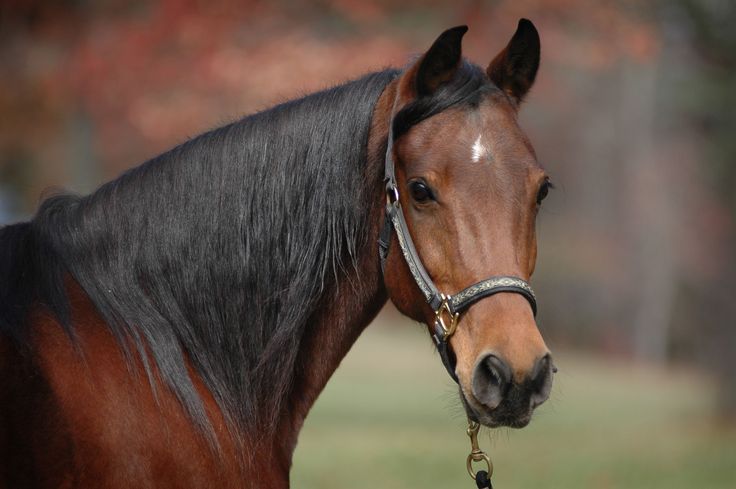
Hypothyroidism in horses is a rare endocrine disorder characterized by decreased production of the thyroid hormones T3 and T4, which play essential roles in metabolism and animal development. Diagnosis is challenging due to the nonspecific nature of clinical signs, which can resemble other endocrine diseases. Hormone levels may vary depending on several factors, making it essential to consider the animal’s clinical history alongside laboratory tests to evaluate thyroid function. Despite diagnostic challenges, a thorough understanding of the disease and the appropriate use of laboratory testing are crucial for accurate diagnosis in suspected cases.
References
Allen, A. L., Doige, C. E., Fretz, P. B., & Townsend, H. G. (1994). Hyperplasia of the thyroid gland and concurrent musculoskeletal deformities in western Canadian foals: Reexamination of a previously described syndrome. The Canadian Veterinary Journal. La Revue Vétérinaire Canadienne, 35(1), 31–38.
Bertin, F. R., Forsythe, L. E., & Kritchevsky, J. E. (2019). Effects of high doses of levothyroxine sodium on serum concentrations of triiodothyronine and thyroxine in horses. American Journal of Veterinary Research, 80(6). https://doi.org/10.2460/ajvr.80.6.565.
Bertin, F. R., Frank, N., Breuhaus, B. A., Schott, H. C., & Kritchevsky, J. E. (2024). Diagnosis and management of thyroid disorders and thyroid hormone supplementation in adult horses and foals. In Equine Veterinary Journal (Vol. 56, Issue 2). https://doi.org/10.1111/evj.13981.
Bilhalva, M. A., Evaristo, T. A., Isnardi, C. P., Rocha, M. M., Alves, C. C., Soares, M. A., Waller, S. B., Borba, A., Santos, T. C., & Costa, P. P. C. (2020). O hipotireoidismo canino e seus efeitos sobre o sistema cardiovascular. PUBVET, 14(4), 1–6. https://doi.org/10.31533/pubvet.v14n4a542.1-6.
Boscarato, A. G., Alberton, L. R., Komochena, H. A. E. S., Botelho, E., Ribeiro, R. de C. L., Orlandini, C. F., & Steiner, D. (2016). Esporotricose equina e hipotireoidismo iatrogênico. Acta Scientiae Veterinariae, 44, 1–6.
Breuhaus, B. A. (2011). Disorders of the equine thyroid gland. In Veterinary Clinics of North America - Equine Practice (Vol. 27, Issue 1). https://doi.org/10.1016/j.cveq.2010.12.002.
Breuhaus, B. A. (2014). Thyroid function and dysfunction in term and premature equine Neonates. Journal of Veterinary Internal Medicine, 28(4), 445. https://doi.org/10.1111/jvim.12382.
Chaker, L., Bianco, A. C., Jonklaas, J., & Peeters, R. P. (2017). Hypothyroidism. Lancet, 390(10101), 1550–1562.
Coleman, M. C., & Whitfield-Cargile, C. (2017). Orthopedic conditions of the premature and dysmature foal. In Veterinary Clinics of North America - Equine Practice (Vol. 33, Issue 2). https://doi.org/10.1016/j.cveq.2017.03.001.
Deprez, P. (2019). Equine metabolic syndrome. Vlaams Diergeneeskundig Tijdschrift, 88(2). https://doi.org/10.26416/pv.43.1.2024.9642.
Drew, B., Barber, W. P., & Williams, D. G. (1975). The effect of excess dietary iodine on pregnant mares and foals. The Veterinary Record, 97(5), 95. https://doi.org/10.1136/vr.97.5.93.
Durval, T. de F., Mencalha, R. N., & Gaudêncio, F. N. (2020). Determinação da concentração plasmática de cTSH no diagnóstico de hipotireoidismo primário em cães: relato de quatro casos. PUBVET, 14(9), 1–5. https://doi.org/10.31533/pubvet.v14n8a646.1-5.
Eroksuz, H., Eroksuz, Y., Ozer, H., Ceribasi, A. O., Yaman, I., & Ilhan, N. (2004). Equine goiter associated with excess dietary iodine. Veterinary and Human Toxicology, 46(3), 147–149.
Frank, N. (2011). Equine metabolic syndrome. In Veterinary Clinics of North America - Equine Practice (Vol. 27, Issue 1, pp. 467–475). https://doi.org/10.1016/j.cveq.2010.12.004.
Harris, P. A. (1999). Review of equine feeding and stable management practices in the UK concentrating on the last decade of the 20th century. Equine Veterinary Journal, 31(S28), 46–54. https://doi.org/10.1111/j.2042-3306.1999.tb05156.x.
Harris, P., Marlin, D., & Gray, J. (1992). Equine thyroid function tests: A preliminary investigation. British Veterinary Journal, 148(1). https://doi.org/10.1016/0007-1935(92)90069-D.
Héripret, D. (2008). Hypothyroidism. In E. Guaguére, P. Prélaud, & M. Craig (Eds.), A pratical guide in canine dermatology (pp. 351–359). Merial, Kaliantis.
Hilderbran, A. C., Breuhaus, B. A., & Refsal, K. R. (2014). Nonthyroidal illness syndrome in adult horses. Journal of Veterinary Internal Medicine, 28(2). https://doi.org/10.1111/jvim.12274.
Hintz, H. F., & Kallfelz, F. A. (1981). Some nutritional problems of horses. In Equine Veterinary Journal (Vol. 13, Issue 3). https://doi.org/10.1111/j.2042-3306.1981.tb03480.x.
Lee, C. C., Johnson, P. J. & Beech, J. (2025). Total thyroxine concentrations and thyrotropin-releasing hormone stimulation test results in Standardbred horses evaluated for poor performance. Journal of Veterinary Internal Medicine, 39(4), 1421–1429. https://doi.org/10.1111/jvim.17087.
Mooney, C. T., & Murphy, D. (1995). Equine hypothyroidism: The difficulties of diagnosis. Equine Veterinary Education, 7(5), 242–245. https://doi.org/10.1111/j.2042-3292.1995.tb01237.x.
Morgan, R., Keen, J., & McGowan, C. (2015). Equine metabolic syndrome. Veterinary Record, 177(7). https://doi.org/10.1136/vr.103226.
Nicassio, M., Aiudi, G., Silvestre, F., Matarrese, R., Salvati, A. S., & Lacalandra, G. M. (2008). Free thyroid hormone and cortisol levels in stallions during the breeding season. Animal Reproduction Science, 107(3–4), 335–336. https://doi.org/10.1016/j.anireprosci.2008.05.112.
Osório, J., & Echeverry, R. (2013). Actualización hipotiroidismo equino. Luna Azul, 36, 1909–2474. https://doi.org/10.17151/luaz.2013.36.16
Reed, S. M., Bayly, W. M., & Sellon, D. C. (2009). Equine internal medicine. Elsevier Health Sciences.
Saunders, H. M., & Jezyk, P. K. (1991). The radiographic appearance of canine congenital hypohyroidism: Skeletal changes with delayed treatment. Veterinary Radiology, 32(4), 171–177. https://doi.org/10.1111/j.1740-8261.1991.tb00103.x.
Smith, B. P. (2014). Large animal internal medicine-E-Book. Elsevier Health Sciences.
Stanley, O., & Hillidge, C. J. (1982). Alopecia associated with hypothyroidism in a horse. Equine Veterinary Journal, 14(2), 165–167. https://doi.org/10.1111/j.2042-3306.1982.tb02378.x.
Vivrette, S. L., Reimers, T. J., & Krook, L. (1984). Skeletal disease in a hypothyroid foal. The Cornell Veterinarian, 74(4), 373–386.
Downloads
Published
Issue
Section
License
Copyright (c) 2025 Mateus Nogueira Cunha , Giovana Fiorese Meneghetti, Mariana Gottsfritz Tavares , Neimar Vanderlei Roncati, Bárbara Fidalgo Paretsis, Nicole Fidalgo Paretsis

This work is licensed under a Creative Commons Attribution 4.0 International License.
Você tem o direito de:
Compartilhar — copiar e redistribuir o material em qualquer suporte ou formato
Adaptar — remixar, transformar, e criar a partir do material para qualquer fim, mesmo que comercial.
O licenciante não pode revogar estes direitos desde que você respeite os termos da licença. De acordo com os termos seguintes:
Atribuição
— Você deve dar o crédito apropriado, prover um link para a licença e indicar se mudanças foram feitas. Você deve fazê-lo em qualquer circunstância razoável, mas de nenhuma maneira que sugira que o licenciante apoia você ou o seu uso. Sem restrições adicionais
— Você não pode aplicar termos jurídicos ou medidas de caráter tecnológico que restrinjam legalmente outros de fazerem algo que a licença permita.