Manejo reprodutivo inteligente em equinos: como as decisões cotidianas influenciam o sucesso de protocolos reprodutivos
DOI:
https://doi.org/10.31533/pubvet.v19n08e1816Palavras-chave:
Bem-estar animal, ICSI, manejo reprodutivo, reprodução equina, transferência de embriõesResumo
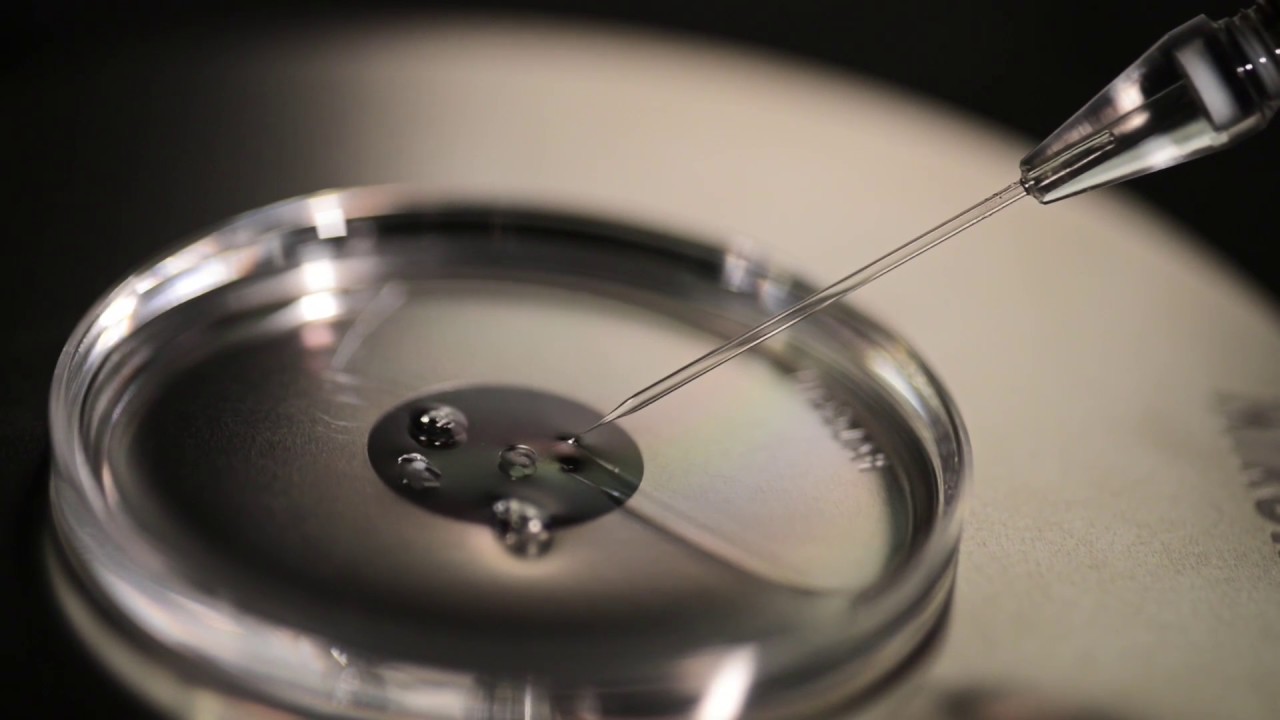
A evolução das biotecnologias reprodutivas, como a injeção intracitoplasmática de espermatozoides (ICSI) e a transferência de embriões (TE), impulsionou o potencial genético na equinocultura. Contudo, o sucesso dessas técnicas depende não apenas do domínio laboratorial, mas principalmente do manejo reprodutivo inteligente: aquele que observa, respeita e se antecipa às necessidades dos animais envolvidos. Este artigo tem como objetivo discutir, à luz da experiência prática e da literatura técnica, como decisões cotidianas no manejo de cavalos influenciam diretamente a taxa de sucesso em protocolos de reprodução assistida. Elementos como estresse térmico, ambiente da coleta, alimentação, condição corporal e estímulos externos são abordados como variáveis-chave para a eficiência dos procedimentos. A proposta é ampliar a consciência técnica dos profissionais da área e reforçar a ideia de que, na reprodução equina moderna, a excelência não está apenas nos equipamentos ou nas técnicas, mas na inteligência aplicada ao manejo e ao bem-estar animal.
Referências
Aurich, C. (2011). Reproductive cycles of horses. Animal Reproduction Science, 124(3–4), 220–228. https://doi.org/10.1016/j.anireprosci.2011.02.005.
Barbacini, S., Zavanella, K. L., Stranfella, E., & Tarantino, C. (2019). Factors affecting semen quality in stallions. Journal of Equine Veterinary Science, 82, 102792.
Blanchard, T. L., Varner, D. D., & Schumacher, J. (1998). Manual of equine reproduction. Mosby.
Boeta, M., & Zarco, L. (2012). Uterine post-breeding inflammatory response in the mare: A review. Journal of Equine Veterinary Science, 32(9), 498–506.
Bonin, B. F., Júnior Dell’Agua, J. A., Fioratti, E. G., & Alvarenga, M. A. (2010). Efeito do tratamento com extrato de pituitária equina na resposta ovariana e eficiência reprodutiva de éguas idosas em programa de transferência de embriões. Veterinária e Zootecnia, 17, 94–103.
Carnevale, E. M. (2021). Factors affecting oocyte quality and competence in the mare. Reproduction Fertility and Development, 33(4), 233–240.
Christoffersen, M., & Troedsson, M. H. T. (2017). Inflammation and fertility in the mare. Reproduction in Domestic Animals, 52. https://doi.org/10.1111/rda.13013.
Cooper, J. J., & Mason, G. J. (1998). The identification of abnormal behaviour and behavioural problems in stabled horses and their relationship to horse welfare: A comparative review. In Equine veterinary journal. Supplement (Issue 27, pp. 5–9). https://doi.org/10.1111/j.2042-3306.1998.tb05136.x
Correia, S. C., Pereira, R. M. L. N., Carolino, N., Avila, O., & Duarte, S. C. (2021). Equine embryo transfer: The effect of semen processing and donor mare management on recovery rates. Archivos de Zootecnia, 70(270). https://doi.org/10.21071/az.v70i270.5472
Farias, D. K., Bunn, S., Friso, A. de M., Thaler, A., Mezzalira, A., Pinto, M. G. L., Oliveira, R. A., & Mozzaquatro, F. D. (2019). Superovulação em éguas da raça Crioula e Quarto de Milha com extrato de pituitária equina (EPE). Ciência Animal Brasileira, 20(e-37582), 1–8. https://doi.org/10.1590/1089-6891v20e-37582.
Fonte, J. S., Alonso, M. A., Maserati Junior, M. P., Gonçalves, M. A., Pontes, J. H., Bordignon, V., Fleury, P. D. C., Fernandes, C. B. (2024). Successful equine in vitro embryo production by ICSI – effect of season, mares’ age, breed, and phase of the estrous cycle on embryo production. Theriogenology, 223, 47-52. https://doi.org/10.1016/j.theriogenology.2024.04.007
Freestone, J. F., Wolfsheimer, K. J., & Ford, R. B. (2008). Insulin resistance in horses: Nutritional implications. Veterinary Clinics of North America: Equine Practice, 24(2), 299–314.
Geor, R. J., & Harris, P. (2009). Dietary management of obesity and insulin resistance: Countering risk for laminitis. Veterinary Clinics of North America - Equine Practice, 25(1). https://doi.org/10.1016/j.cveq.2009.02.001.
Harris, P. A. (1999). Review of equine feeding and stable management practices in the UK concentrating on the last decade of the 20th century. Equine Veterinary Journal, 31(S28), 46–54. https://doi.org/10.1111/j.2042-3306.1999.tb05156.x.
Hinrichs, K. (2018). Assisted reproductive techniques in mares. Reproduction in Domestic Animals, 53, 29–35. https://doi.org/10.1111/rda.13259.
Hurtgen, J. P. (2008). Management of embryo donor mares with chronic infertility. Practitioners Proceedings of the 54th Annual Convention of the American Association of Equine Practitioners December, 6–10.
Janini, L. C. Z., Silva-Júnior, E. R., Tironi, S. M. T., Mendonça, V. H., Cruz, L. D., Ramos, A. F., & Cipriano, R. S. (2020). Intrauterine infusion reduces inflammatory status and could be increased the embryo recovery in mares with chronic endometritis. PUBVET, 14(3), 1–6. https://doi.org/10.31533/pubvet.v14n3a528.1-6.
Kaczmarek, K., Janicki, B., & Głowska, M. (2016). Insulin resistance in the horse: A review. Journal of Applied Animal Research, 44(1). https://doi.org/10.1080/09712119.2015.1091340
Lebedeva, L. F., Atroshchenko, M. M., & Burmistrova, S. A. (2015). Main factors affecting mare insemination with cryopreserved domestic and foreign sperm. Sel’skokhozyaistvennaya Biologiya, 50(4). https://doi.org/10.15389/agrobiology.2015.4.476eng.
Love, C. C., & Thomassen, R. (2019). The stallion: Fertility and factors affecting semen quality. In A. O. McKinnon, E. L. Squires, D. D. Varner, & T. L. Blanchard (Eds.), Equine reproduction (Vol. 1, pp. 1885–1910). Willey-Blackwell.
McCue, P. M. (2016). Ovarian response to hormonal stimulation in mares. Theriogenology, 86(1), 1–5.
McCue, P. M., & Ferris, R. A. (2015). New approaches to improving fertility in mares. Equine Veterinary Education, 3, 130–133.
McCue, P. M., & Ferris, R. A. (2018). Management of the donor mare for embryo transfer. Equine Veterinary Education, 30(6), 336–342.
McDonnell, S. M. (2000). Understanding horse behavior: The key to successful breeding management. Veterinary Clinics of North America: Equine Practice, 16(2), 419–430.
McKinnon, A. O., Squires, E. L., Vaala, W. E., & Varner, D. D. (2011). Equine reproduction. John Wiley & Sons.
Nikitkina, E. V. (2023). The genetic basis of the sperm quality of stallions. International Journal of Veterinary Medicine, 4. https://doi.org/10.52419/issn2072-2419.2023.4.413.
Perez-Osorio, J., Camacho-Rozo, C. A., Rojas-Garcia, E., & Pardo, C. (2020). Effect of donor status, embryo grades and recipient management on pregnancy rates in a commercial equine embryo transfer program in the tropics. Journal of Equine Veterinary Science, 89. https://doi.org/10.1016/j.jevs.2020.103089.
Popescu, S., Lazar, E. A., Borda, C., Niculae, M., Sandru, C. D., & Spinu, M. (2019). Welfare quality of breeding horses under different housing conditions. Animals, 9(3). https://doi.org/10.3390/ani9030081.
Samper, J. C., & Estrada, A. (2016). Management of mares for optimal ovarian response. Current Therapy in Equine Reproduction.
Squires, E. L. (2008). Hormonal manipulation of the mare: a review. Journal of Equine Veterinary Science.
Squires, E. L., & McCue, P. M. (2007). Superovulation in mares. Animal Reproduction Science, 99(1–2), 1–8. https://doi.org/10.1016/j.anireprosci.2006.04.054.
Turner, R. M. (2008). Management of the stallion for optimal semen production. Theriogenology, 70, 299–304.
Vallejo Aristizábal, V. H., Mogollón García, H. D., da Silva, M., Sant’anna, E., & Júnior Dell’Aqua, J. A. (2017). Transferência de embriões em éguas receptoras anovulatórias. Revista de Medicina Veterinaria, 33, 137–147.
Vidament, M. (2005). French field results (1985-2005) on factors affecting fertility of frozen stallion semen. Animal Reproduction Science, 89(1-4 SPEC. ISS.). https://doi.org/10.1016/j.anireprosci.2005.07.003.
Visser, E. K., Ellis, A. D., & Van Reenen, C. G. (2008). The effect of two different housing conditions on the welfare of young horses stabled for the first time. Applied Animal Behaviour Science, 114(3–4), 1–24. https://doi.org/10.1016/j.applanim.2008.03.003.
Downloads
Publicado
Edição
Seção
Licença
Direitos autorais (c) 2025 Luiz Carlos Delgobbo Santos

Este trabalho está licenciado sob uma licença Creative Commons Attribution 4.0 International License.
Você tem o direito de:
Compartilhar — copiar e redistribuir o material em qualquer suporte ou formato
Adaptar — remixar, transformar, e criar a partir do material para qualquer fim, mesmo que comercial.
O licenciante não pode revogar estes direitos desde que você respeite os termos da licença. De acordo com os termos seguintes:
Atribuição
— Você deve dar o crédito apropriado, prover um link para a licença e indicar se mudanças foram feitas. Você deve fazê-lo em qualquer circunstância razoável, mas de nenhuma maneira que sugira que o licenciante apoia você ou o seu uso. Sem restrições adicionais
— Você não pode aplicar termos jurídicos ou medidas de caráter tecnológico que restrinjam legalmente outros de fazerem algo que a licença permita.