Anesthetic mortality in small animal veterinary medicine: when things go wrong and a concise review of risk factors
DOI:
https://doi.org/10.31533/pubvet.v20n7e1981Keywords:
ASA classification, mortality, risk factors, small animal, veterinary anestheticAbstract
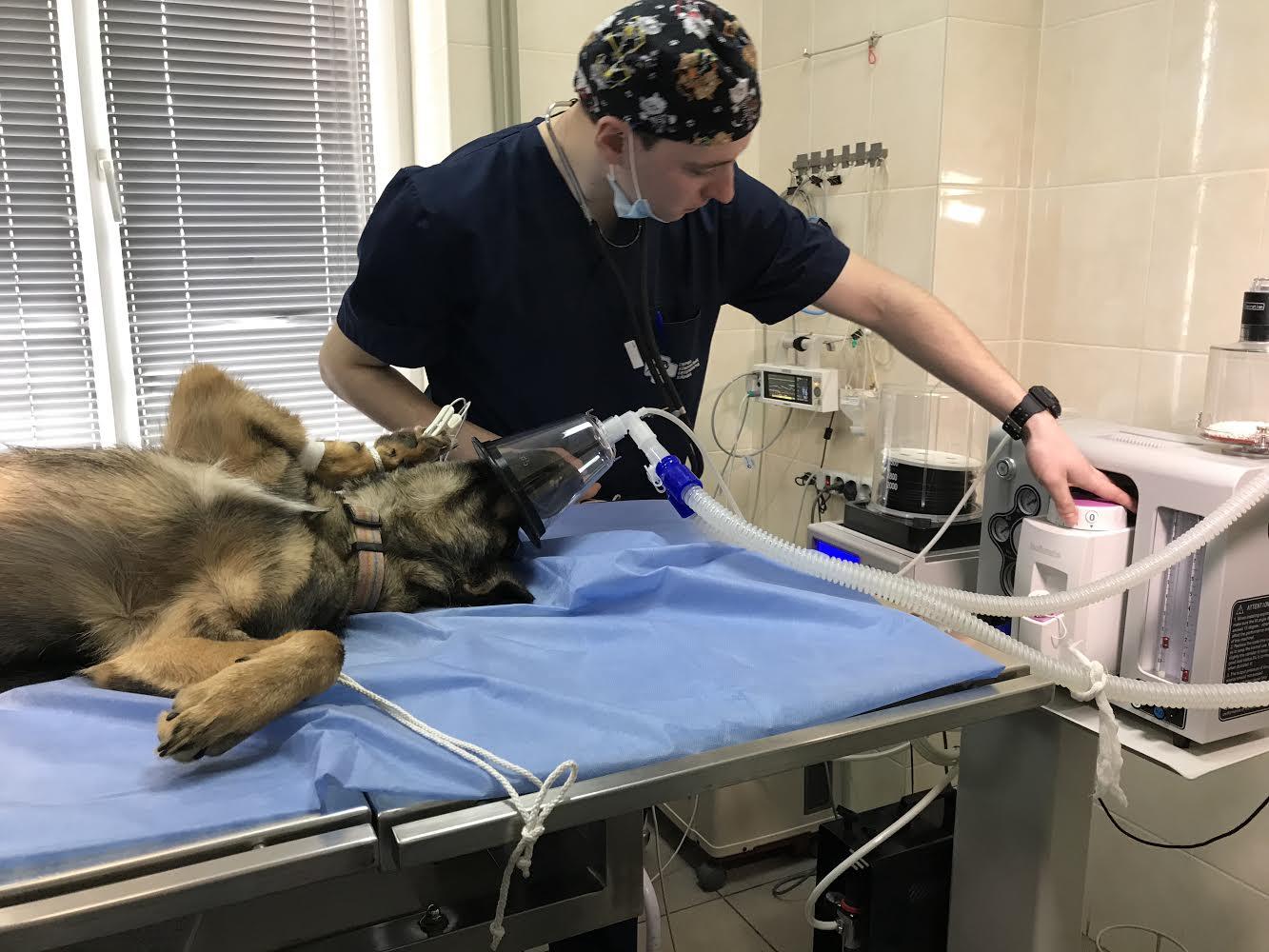
Anesthetic related mortality in small animals varies significantly across studies, dictated by patient health, institutional protocols, and regional practices. This narrative review evaluates literature from 1990 to 2026 to map historical baselines. While overall safety has improved, patients classified as ASA III–V, geriatric, or pediatric status remain at a substantially higher risk. Breed-specific vulnerabilities, particularly in brachycephalic animals and feline weight extremes, further complicate perioperative outcomes. Notably, recent worldwide mortality rates (0.63%–0.69%) contrast with higher Brazilian figures (1.16%), highlighting a persistent regional gap often linked to outdated protocols. Given that over 70% of fatalities occur in the postoperative period, extended vigilance is essential. Adopting locoregional anesthesia and multimodal analgesia is crucial to bridging these gaps and enhancing patient safety.
References
Barcelos, L. C., Tameirão, E. R., Gonzaga, L. W. F., Bastos, L. S., Oliveira, C. F. A., Almeida, J. V. F. C., Felix, L. A., & Ferrante, M. (2021). Anestesia em pequenos animais durante procedimentos cirúrgicos: Revisão. PUBVET, 15(10), 1–14. https://doi.org/10.31533/pubvet.v15n10a933.1-14.
Bille, C., Auvigne, V., Bomassi, E., Durieux, P., Libermann, S., & Rattez, E. (2014). An evidence-based medicine approach to small animal anaesthetic mortality in a referral practice: the influence of initiating three recommendations on subsequent anaesthetic deaths. Veterinary Anaesthesia and Analgesia, 41(3), 249–258. https://doi.org/10.1111 / vaa.12116.
Bille, C., Auvigne, V., Libermann, S., Bomassi, E., Durieux, P., & Rattez, E. (2012). Risk of anaesthetic mortality in dogs and cats: an observational cohort study of 3546 cases. Veterinary Anaesthesia and Analgesia, 39(1), 59–68. https://doi.org/10.1111 / j.1467-2995.2011.00686.x.
Brodbelt, D. (2009). Perioperative mortality in small animal anaesthesia. The Veterinary Journal, 182(2), 152–161.
Brodbelt, D. C., Blissitt, K. J., Hammond, R. A., Neath, P. J., Young, L. E., Pfeiffer, D. U., & Wood, J. L. N. (2008). The risk of death: the confidential enquiry into perioperative small animal fatalities. Veterinary Anaesthesia and Analgesia, 35(5), 365–373. https://doi.org/10.1093 / bja / aem229.
Clarke, K. W., & Hall, L. W. (1990). A survey of anaesthesia in small animal practice: AVA/BSAVA report. Journal of the Association of Veterinary Anaesthetists of Great Britain and Ireland, 17(1), 4–10. https://doi.org/10.1111/j.1467-2995.1990.tb00380.x.
Corrêa, A. L., Oleskovicz, A. L. C. N., & Moraes, A. N. (2009). Índice de mortalidade durante procedimentos anestésicos: estudo retrospectivo (1996-2006). Ciência Rural, 39(9), 2519–2526.
Dyson, D. H., Maxie, M. G., & Schnurr, D. (1998). Morbidity and mortality associated with anesthetic management in small animal veterinary practice in Ontario. Journal of the American Animal Hospital Association, 34(4), 325–335. https://doi.org/10.5326 / 15473317-34-4-325.
Gil, L., & Redondo, J. I. (2013). Canine anaesthetic death in Spain: a multicentre prospective cohort study of 2012 cases. Veterinary Anaesthesia and Analgesia, 40(6), e57–e67. https://doi.org/10.1111 / vaa.12059.
Grubb, T., & Lobprise, H. (2020). Local and regional anaesthesia in dogs and cats: Overview of concepts and drugs (Part 1). Veterinary Medicine and Science, 6(2), 209–217. https://doi.org/10.1002/vms3.219.
Grubb, T., Sager, J., Gaynor, J. S., Montgomery, E., Parker, J. A., Shafford, H., & Tearney, C. (2020). 2020 AAHA anesthesia and monitoring guidelines for dogs and cats. Journal of the American Animal Hospital Association, 56(2), 59–82. https://doi.org/10.5326/JAAHA-MS-7055.
Itami, T., Aida, H., Asakawa, M., Fujii, Y., Iizuka, T., Imai, A., Iseri, T., Ishizuka, T., Kakishima, K., Kamata, M., Miyabe-Nishiwaki, T., Nagahama, S., Naganobu, K., Nishimura, R., Okano, S., Sano, T., Yamashita, K., Yamaya, Y., & Yanagawa, M. (2017). Association between preoperative characteristics and risk of anaesthesia-related death in dogs in small-animal referral hospitals in Japan. Veterinary Anaesthesia and Analgesia, 44(3), 461–472. https://doi.org/10.1016/j.vaa.2016.08.007.
Levy, J. K., Bard, K. M., Tucker, S. J., Diskant, P. D., & Dingman, P. A. (2017). Perioperative mortality in cats and dogs undergoing spay or castration at a high-volume clinic. Veterinary Journal, 224, 11–15. https://doi.org/10.1016/j.tvjl.2017.05.013.
Luz, L. C., Muccillo, M. S., van der Laan, F. A., Ledur, G. R., Kasper, P. N., & Contesini, E. A. (2012). Mortalidade em anestesia de cães e gatos: estudo retrospectivo de 5.366 procedimentos anestésicos. Archives of Veterinary Science, 17(Sup.), 1–5.
Matthews, N. S., Mohn, T. J., Yang, M., Spofford, N., Marsh, A., Faunt, K., Lund, E. M., & Lefebvre, S. L. (2017). Factors associated with anesthetic-related death in dogs and cats in primary care veterinary hospitals. Journal of the American Veterinary Medical Association, 250(6), 655–665. https://doi.org/10.2460/javma.250.6.655.
Mcmillan, M. (2014). New frontiers for veterinary anaesthesia: The development of veterinary patient safety culture. Veterinary Anaesthesia and Analgesia, 41(3), 224–226. https://doi.org/10.1111/vaa.12123.
Oxtoby, C., & Mossop, L. (2019). Blame and shame in the veterinary profession: Barriers and facilitators to reporting significant events. Veterinary Record, 184(16), 501. https://doi.org/10.1136/vr.105137.
Paddelford, R. R. (2001). Manual de anestesia em pequenos animais (1st ed., Vol. 1). Roca, São Paulo.
Payne, J. R., Brodbelt, D. C., & Fuentes, V. (2017). Blood pressure measurements in 780 apparently healthy cats. Journal of Veterinary Internal Medicine, 31(1), 15–21. https://doi.org/10.1111/jvim.14625.
Redondo, J. I., Martínez-Taboada, F., Hernández-Magaña, E. Z., Domenech, L., Viscasillas, J., & Otero, P. E. (2025). Breed-Specific Anaesthetic Mortality in Dogs: Evidence from an Analysis of 55,019 Cases. Animals, 15(21), 3112. https://doi.org/10.3390/ani15213112.
Redondo, J. I., Martínez-Taboada, F., Viscasillas, J., Doménech, L., Marti-Scharfhausen, R., Hernández-Magaña, E. Z., & Otero, P. E. (2024). Anaesthetic mortality in cats: A worldwide analysis and risk assessment. Veterinary Record, 195(1), e4147. https://doi.org/10.1002/vetr.4147
Redondo, J. I., Otero, P. E., Martínez-Taboada, F., Doménech, L., Hernández-Magaña, E. Z., & Viscasillas, J. (2024). Anaesthetic mortality in dogs: A worldwide analysis and risk assessment. Veterinary Record, 195(1), e3604. https://doi.org/10.1002/vetr.3604.
Redondo, J. I., Otero, P. E., Martínez-Taboada, F., Hernández-Magaña, E. Z., Domenech, L., & Viscasillas, J. (2026). Breed-Specific Anaesthetic Mortality in Cats: Evidence from an Analysis of 14,964 Cases. Animals, 16(2). https://doi.org/10.3390/ani16020196.
Shoop-Worrall, S. J. W., O’Neill, D. G., Viscasillas, J., & Brodbelt, D. C. (2022). Mortality related to general anaesthesia and sedation in dogs under UK primary veterinary care. Veterinary Anaesthesia and Analgesia, 49(5), 433–442. https://doi.org/10.1016/j.vaa.2022.03.006.
Soares, T. J., Carareto, R., Shiguihara, D., Barazetti, L., Rezende, L. M., & Severiano, M. N. (2022). Mortalidade de cães e gatos no período transoperatório e pós-operatório: Estudo retrospectivo. PUBVET, 16(1), 1–6. https://doi.org/10.31533/pubvet.v16n01a1012.1-6.
Varkoulis, K., Savvas, I., Anagnostou, T., Kazakos, G., & Pavlidou, K. (2023). A Retrospective Study on Canine and Feline Mortality during Anaesthesia at a University Clinic in Greece. Animals, 13(15). https://doi.org/10.3390/ani13152486.
Downloads
Published
Issue
Section
License
Copyright (c) 2026 Cláudio Marcos Rocha-de-Souza, Juliana Letícia Rossetto Marques

This work is licensed under a Creative Commons Attribution 4.0 International License.
Você tem o direito de:
Compartilhar — copiar e redistribuir o material em qualquer suporte ou formato
Adaptar — remixar, transformar, e criar a partir do material para qualquer fim, mesmo que comercial.
O licenciante não pode revogar estes direitos desde que você respeite os termos da licença. De acordo com os termos seguintes:
Atribuição
— Você deve dar o crédito apropriado, prover um link para a licença e indicar se mudanças foram feitas. Você deve fazê-lo em qualquer circunstância razoável, mas de nenhuma maneira que sugira que o licenciante apoia você ou o seu uso. Sem restrições adicionais
— Você não pode aplicar termos jurídicos ou medidas de caráter tecnológico que restrinjam legalmente outros de fazerem algo que a licença permita.