Antibiotic classes influencing rumen microbiota disruption
Review
DOI:
https://doi.org/10.31533/pubvet.v20n2e1904Keywords:
Antibiotics, cattle, dysbiosis, ruminal microorganismsAbstract
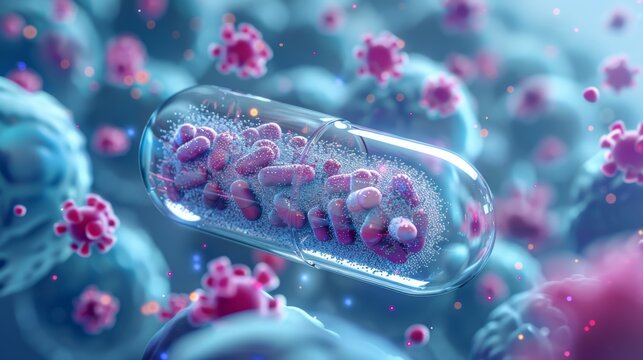
Antibiotic-induced dysbiosis results in disturbances in the bovine ruminal and intestinal microbiota. Bacteria, fungi and protozoa present in these compartments play essential roles in the degradation of the feed bolus, converting low-value feedstuffs, such as grass, which cannot be digested by humans, into zootechnical productivity. These symbiotic microorganisms, through complementary functions, act intra- and interspecifically, promoting the conversion of substrates into end products such as volatile fatty acids (VFAs), including propionate and acetate, which are used by the animal as sources of energy. Therefore, the objective of this review was to identify pharmacological classes responsible for disrupting the bovine ruminal microbiota. The literature search followed a chronological order, covering the period of 2000 to 2025, and described the following antibiotic classes: tetracyclines (oxytetracycline and doxycycline); fluoroquinolones (enrofloxacin and danofloxacin) and macrolides (tulathromycin). Studies indicate that these compounds exhibit a high potential to cause damage to the ruminal microbiota of cattle.
References
Alós, J.-I. (2015). Resistencia bacteriana a los antibióticos: una crisis global. Enfermedades Infecciosas y Microbiología Clínica, 33(10), 692–699. https://doi.org/10.1016/j.eimc.2014.10.004.
Ashdown, R. R., & Done, S. (2011). Atlas colorido de anatomia veterinária dos ruminantes. Elsevier.
Baptista, M. G. F. M. (2013). Mecanismos de Resistência aos Antibióticos. In Ciências Farmacêuticas.
Bartolomeu, L., Cavalieri, F., Andreazzi, M., Freire, S., & Santos, J. (2022). Tulatromicina: Uma abordagem analítica das publicações científicas. Enciclopédia Biosfera, 19(42). https://doi.org/10.18677/encibio_2022d29.
Berchielli, T. T., Pires, A. V, & Oliveira, S. G. (2011). Nutrição de Ruminantes (616). FUNEP.
Beyi, A. F., Brito-Goulart, D., Hawbecker, T., Ruddell, B., Hassall, A., Dewell, R., Dewell, G., Sahin, O., Zhang, Q., & Plummer, P. J. (2021). Enrofloxacin alters fecal microbiota and resistome irrespective of its dose in calves. Microorganisms, 9(10). https://doi.org/10.3390/microorganisms9102162.
Beyi, A. F., Brito-Goulart, D., Hawbecker, T., Slagel, C., Ruddell, B., Hassall, A., Dewell, R., Dewell, G., Sahin, O., Zhang, Q., & Plummer, P. J. (2021). Danofloxacin treatment alters the diversity and resistome profile of gut microbiota in calves. Microrganisms, 9(10). https://doi.org/10.3390/microorganisms9102023.
Bretschneider, G., Elizalde, J. C., & Pérez, F. A. (2008). The effect of feeding antibiotic growth promoters on the performance of beef cattle consuming forage-based diets: A review. Livestock Science, 114(2–3), 135–149. https://doi.org/10.1016/j.livsci.2007.12.017.
Brulin, L., Ducrocq, S., Even, G., Sanchez, M. P., Martel, S., Merlin, S., Audebert, C., Croiseau, P., & Estellé, J. (2024). Short communication: Bifidobacterium abundance in the faecal microbiota is strongly associated with milk traits in dairy cattle. Animal, 18(8), 101243. https://doi.org/10.1016/j.animal.2024.101243.
Calderón, G. R., & Ulate, L. A. (2017). Resistencia antimicrobiana: microorganismos más resistentes y antibióticos con menor actividad. Revista Medica de Costa Rica y Centroamerica, 73(621), 757–763.
Cammack, K. M., Austin, K. J., Lamberson, W. R., Conant, G. C., & Cunningham, H. C. (2018). Ruminnat nutrition symposium: Tiny but mighty: The role of the rumen microbes in livestock production. Journal of Animal Science, 96(2), 4481. https://doi.org/10.1093/jas/skx053.
Chen, F., Cheng, G., Xu, Y., Wang, Y., Xia, Q., & Hu, S. (2020). Rumen Microbiota Distribution Analyzed by High-Throughput Sequencing After Oral Doxycycline Administration in Beef Cattle. Frontiers in Veterinary Science, 7. https://doi.org/10.3389/fvets.2020.00251.
Cruz, P. L. B., & Sampaio, S. F. (2016). As práticas terapêuticas não convencionais nos serviços de saúde: revisão integrativa. Revista de APS, 19(3), 483–494.
Dehority, B. A., & Tirabasso, P. A. (2000). Antibiosis between ruminal bacteria and ruminal fungi. Applied and Environmental Microbiology, 66(7), 2921–2927. https://doi.org/10.1128/AEM.66.7.2921-2927.2000.
Demirtaş, A., Öztürk, H., & Pişkin, İ. (2018). Overview of plant extracts and plant secondary metabolites as alternatives to antibiotics for modification of ruminal fermentation. Ankara Üniversitesi Veteriner Fakültesi Dergisi, 65(2), 213–217.
Enemark, J. M. D. (2008a). The monitoring, prevention and treatment of sub-acute ruminal acidosis (SARA): A review. The Veterinary Journal, 176(1), 32–43. https://doi.org/10.1016/j.tvjl.2007.12.021.
Enemark, J. M. D. (2008b). The monitoring, prevention and treatment of sub-acute ruminal acidosis (SARA): a review. (Special Issue: Production diseases of the transition cow.). Veterinary Journal. https://doi.org/http://dx.doi.org/10.1016/j.tvjl.2007.12.021
Ferguson, K. M., Jacob, M. E., Theriot, C. M., Callahan, B. J., Prange, T., Papich, M. G., & Foster, D. M. (2018). Dosing regimen of enrofloxacin impacts intestinal pharmacokinetics and the fecal microbiota in steers. Frontiers in Microbiology, 9(SEP), 2190. https://doi.org/10.3389/fmicb.2018.02190.
Fernandes, C. A. C., Palhão, M. P., Ribeiro, J. R., Viana, J. H. M., Gioso, M. M., Figueiredo, A. C. S., Oba, E., & Costa, D. S. (2012). Associação entre oxitetraciclina e cloprostenol no tratamento de vacas leiteiras com retenção de placenta. Revista Brasileira de Ciência Veterinária, 19(3), 178–182.
Goodrich, R. D., & Thompson, W. R. (1980). Rumensin in the winter. Feedlot Manage, 22(3), 24.
Guimarães, D. O., Momesso, L. S., & Pupo, M. T. (2010). Antibióticos: importância terapêutica e perspectivas para a descoberta e desenvolvimento de novos agentes. Química Nova, 33(3), 667–679. https://doi.org/10.1590/S0100-40422010000300035.
Hobson, P. N., & Stewart, C. S. (2012). Rumen microbial ecosystem (2nd ed.). Blackie Academic & Professional.
Holman, D. B., Yang, W., & Alexander, T. W. (2019). Antibiotic treatment in feedlot cattle: A longitudinal study of the effect of oxytetracycline and tulathromycin on the fecal and nasopharyngeal microbiota. Microbiome, 7(1), 86. https://doi.org/10.1186/s40168-019-0696-4.
Hu, X., He, Z., Zhao, C., He, Y., Qiu, M., Xiang, K., Zhang, N., & Fu, Y. (2024). Gut/rumen-mammary gland axis in mastitis: Gut/rumen microbiota–mediated “gastroenterogenic mastitis.” Journal of Advanced Research, 55, 159–171. https://doi.org/10.1016/j.jare.2023.02.009.
Hu, X., Li, S., Mu, R., Guo, J., Zhao, C., Cao, Y., Zhang, N., & Fu, Y. (2022). The Rumen Microbiota Contributes to the Development of Mastitis in Dairy Cows. Microbiology Spectrum, 10(1), e0251221. https://doi.org/10.1128/spectrum.02512-21.
Jane, A. P., Daniel, J. R., & Holly, T., B. (2017). Understanding the ruminant animal digestive system. Mississippi State University.
Ji, S., Jiang, T., Yan, H., Guo, C., Liu, J., Su, H., Alugongo, G. M., Shi, H., Wang, Y., Cao, Z., & Li, S. (2018). Ecological restoration of antibiotic-disturbed gastrointestinal microbiota in foregut and hindgut of cows. Frontiers in Cellular and Infection Microbiology, 8(MAR). https://doi.org/10.3389/fcimb.2018.00079.
Kamwa, E. B. (2010). Biosseguridade, higiene e profilaxia: abordagem teórico-didática e aplicada. Nandyala.
Keijser, B. J. F., Agamennone, V., Van Den Broek, T. J., Caspers, M., Van De Braak, A., Bomers, R., Havekes, M., Schoen, E., Van Baak, M., Mioch, D., Bomers, L., & Montijn, R. C. (2019). Dose-dependent impact of oxytetracycline on the veal calf microbiome and resistome. BMC Genomics, 20(1), 65. https://doi.org/10.1186/s12864-018-5419-x.
Kim, D.-W., & Cha, C.-J. (2021). Antibiotic resistome from the One-Health perspective: understanding and controlling antimicrobial resistance transmission. Experimental & Molecular Medicine, 53(3), 301–309. https://doi.org/10.1038/s12276-021-00569-z.
Leyva, S., & Leyva, Elisa. (2008). Fluoroquinolonas. Mecanismos de acción y resistencia, estructura, síntesis y reacciones fisicoquímicas importantes para propiedades medicinales. Sociedad Química de México, (May).
Leyva-Ramos, S., & Hernández-Lopes, H. (2017). Fluoroquinolonas: Perspectivas no antibacterianas. Revista Espanonhola de Quimioterapia, 30(1).
Liu, J. hua, Zhang, M. ling, Zhang, R. yang, Zhu, W. yun, & Mao, S. yong. (2016). Comparative studies of the composition of bacterial microbiota associated with the ruminal content, ruminal epithelium and in the faeces of lactating dairy cows. Microbial Biotechnology, 9(2), 257–268. https://doi.org/10.1111/1751-7915.12345.
Martin, C. C. (2017). Influência do uso precoce de antibiótico no desenvolvimento da microbiota intestinal, resposta imune e incidência de diarreias em bezerras recém-nascidas. Universidade Estadual de São Paulo.
Matthews, C., Crispie, F., Lewis, E., Reid, M., O’Toole, P. W., & Cotter, P. D. (2019). The rumen microbiome: a crucial consideration when optimising milk and meat production and nitrogen utilisation efficiency. Gut Microbes, 10(2), 115–132. https://doi.org/10.1080/19490976.2018.1505176.
Mourthe, M. H. F., Reis, R. B., Ladeira, M. M., Souza, R. C., Coelho, S. G., & Saturnino, H. M. (2011). Suplemento múltiplo com ionóforos para novilhos em pasto: consumo, fermentação ruminal e degradabilidade in situ. Arquivo Brasileiro de Medicina Veterinária e Zootecnia, 63, 129–135. https://doi.org/10.1590/S0102-09352011000100020.
Muraro, M., Basano, F. S., Nazzari, R., & Franzini, G. (2008). Efficacia della tulatromicina nella prevenzione delle forme respiratorie del bovino (BRD) nell’allevamento del bovino da ingrasso in Italia. Large Animal Review, 14(6).
Nagpal, R., Puniya, A. K., Sehgal, J. P., & Singh, K. (2011). In vitro fibrolytic potential of anaerobic rumen fungi from ruminants and non-ruminant herbivores. Mycoscience, 52(1), 31–38. https://doi.org/http://dx.doi.org/10.1007/S10267-010-0071-6
Nicolini, P., Nascimento, J. W. L., Greco, K. V., & Menezes, F. G. de. (2008). Fatores relacionados à prescrição médica de antibióticos em farmácia pública da região Oeste da cidade de São Paulo. Ciência & Saúde Coletiva, 13, 689–696. https://doi.org/10.1590/S1413-81232008000700018.
Ogunade, I., Pech-Cervantes, A., & Schweickart, H. (2019). Metatranscriptomic analysis of sub-acute ruminal acidosis in beef cattle. Animals, 9(5), 1–12. https://doi.org/10.3390/ani9050232.
Oliveira, G. S., Pereira, L. P. G., Lima, L. C. S., Oliveira, G. B., & Bragança, D. R. (2025). Efeitos dos resíduos de antibióticos e hormônios em produtos de origem animal na saúde pública: Revisão. PUBVET, 19(6), 1–9.
Oliveira, V. S., Santos, A. C. P. dos, & Valença, R. de L. (2019). Desenvolvimento e fisiologia do trato digestivo de ruminantes. Ciência Animal, 29(3), 114–132.
Parish, J. A., Rivera, J. D., & Boland, H. T. (2017). Understanding the ruminant animal digestive system. Mississippi State University.
Park, T., Meulia, T., Firkins, J. L., & Yu, Z. (2017). Inhibition of the rumen ciliate Entodinium caudatum by antibiotics. Frontiers in Microbiology, 8(JUN), 1189. https://doi.org/10.3389/fmicb.2017.01189.
Paula, K. G. S. A., Pessoa, M. S., & Abrão, F. O. (2019). Emissão de metano na pecuária: Relação causa-efeito e mecanismos modulatórios. PUBVET, 13(1), 1–11. https://doi.org/10.31533/pubvet.v13n01a259.1-11.
Pedreira, M. S., Berchielli, T. T., & FUNEP. (2011). Minerais. In T. T. Berchielli, A. V Pires, & S. G. Oliveira (Eds.), Nutrição de Ruminantes (Vol. 1, Number 2th ed., pp. 345–368). FUNEP.
Percio, C., Barreta, D. A., Silva, E. R., & Zotti, C. A. (2019). Bovinocultura de corte brasileira sem o uso de antibióticos: Consequências e alternativas. Horizontes Das Ciências Sociais Rurais, 2, 306–321. https://doi.org/10.22533.
Ramos, T. R., Prado, R. M., Ornaghi, M. G., Stuani, O. F., Penha, G. P., & Prado, I. N. (2022). SARA (Subacute Ruminal Acidosis) sua caraterização e consequências em bovinos: Revisão. PUBVET, 16(6), 1–11. https://doi.org/10.31533/pubvet.v16n06a1135.1-11.
Rangel, A. H. N., Leonel, F. P., Simplício, A. A., & Mendonça Júnior, A. F. (2008). Utilização de ionóforos na produção de ruminantes. Revista de Biologia e Ciências Da Terra, 8(1), 264–273.
Repik, C. F., Lisboa, A. C. L. C., Tukasan, B. C., & Girio, R. J. S. (2021). A resistência antimicrobiana na produção animal: Alerta no contexto da saúde única. PUBVET, 16(4), 1–6. https://doi.org/10.31533/pubvet.v16n04a1084.1-6.
Rodrigues, P. H. M. (2016). Rumenology: Chapter 6 - Control and Manipulation of Ruminal Fermentation. Springer Nature. https://doi.org/10.1007/978-3-319-30533-2
Sabes, A. F. (2020). Acidose ruminal subaguda: Aspectos clínicos, diagnóstico e prevenção. Revista Interdisciplinar de Saúde e Educação, 1(1), 90–106. https://doi.org/10.56344/2675-4827.v1n1a20206.
Santos, M. L., Oliveira, C. A., Sousa, G. F. S., Araújo, M. C. N., Rabassa, V., Barbosa, T. C., Londero, U. S., Pino, F. A. B., & Corrêa, M. N. (2024). Processo digestivo em ruminantes e tecnologias de monitoramento utilizadas em rebanhos leiteiros: Revisão. PUBVET, 18(10), 1–16. https://doi.org/10.31533/pubvet.v18n10e1670.
Scanlan, C. M., & Hathcock, T. L. (1983). Bovine rumenitis-liver abscess complex: a bacteriological review. The Cornell Veterinarian, 73(3), 288–297.
Silvestro, S., Biondo, C., Midiri, A., Lucia, B., & Mancuso, G. (2025). The Role of Livestock Antibiotic Use in Microbiota Dysbiosis and Neuroinflammation. Antibiotics, 14(6), 608. https://doi.org/10.3390/antibiotics14060608.
Spinosa, H. S. (2011). Antibióticos bacteriostáticos que interferem na síntese proteica: Macrolídios, Lincosamidas, Pleuromutilinas, Estreptograminas, Tetraciclinas, Cloranfenicol e Derivados. In H. S. Spinosa, S. L. Górniak, & M. M. Bernardi (Eds.), Farmacologia aplicada à medicina veterinária (5a ed., pp. 464–473). Koogan Guanabara.
Torres, C., & Zarazaga, M. (2002). Antibióticos como promotores del crecimiento en animales¿ Vamos por el buen camino? Gaceta Sanitaria, 16(2), 109–112.
Valadares Filho, S. C., & Pina, D. S. (2011). Fermentação ruminal. In T. T. Berchielli, A. V Pires, & S. G. Oliveira (Eds.), Nutrição de Ruminantes (Number 2th ed., pp. 161–192). FUNEP.
Van Soest, P. J. (1994). Nutritional ecology of the ruminant. In Nutritional Ecology of the Ruminant (Vol. 1, Number 2). Cornell University Press. https://doi.org/10.7591/9781501732355
Wannmacher, L. (2004). Uso indiscriminado de antibióticos e resistência microbiana: Uma guerra perdida? ISSN 1810-0791, 1(4), 1–6.
Wlodarski, L., Maeda, E. M., Fluck, A. C., & Gilioli, D. (2017). Ruminal microbial: Diversity, importance and Characterization. Revista Electronica de Veterinaria, 18(11).
Yanza, Y. R., Szumacher‐Strabel, M., Jayanegara, A., Kasenta, A. M., Gao, M., Huang, H., Patra, A. K., Warzych, E., & Cieślak, A. (2021). The effects of dietary medium‐chain fatty acids on ruminal methanogenesis and fermentation in vitro and in vivo: A meta‐analysis. Journal of Animal Physiology and Animal Nutrition, 105(5), 874–889. https://doi.org/10.1111/jpn.13367.
Zeoula, L. M., & Geron, L. J. V. (2011). Vitaminas. In T. T. Berchielli, A. V Pires, & S. G. Oliveira (Eds.), Nutrição de Ruminantes (Vol. 1, Number 2th ed., pp. 369–414). FUNEP.
Zotti, C. A., & Paulino, V. T. (2009). Metano na produção animal: emissão e minimização de seu impacto. Instituto de Zootecnia.
Downloads
Published
Issue
Section
License
Copyright (c) 2026 Fabrício dos Santos Dias, Erico da Silva Lima

This work is licensed under a Creative Commons Attribution 4.0 International License.
Você tem o direito de:
Compartilhar — copiar e redistribuir o material em qualquer suporte ou formato
Adaptar — remixar, transformar, e criar a partir do material para qualquer fim, mesmo que comercial.
O licenciante não pode revogar estes direitos desde que você respeite os termos da licença. De acordo com os termos seguintes:
Atribuição
— Você deve dar o crédito apropriado, prover um link para a licença e indicar se mudanças foram feitas. Você deve fazê-lo em qualquer circunstância razoável, mas de nenhuma maneira que sugira que o licenciante apoia você ou o seu uso. Sem restrições adicionais
— Você não pode aplicar termos jurídicos ou medidas de caráter tecnológico que restrinjam legalmente outros de fazerem algo que a licença permita.