Integrative therapy with Viscum album in a cat with suspected neoplasia in the proximal ascending colon
Case report
DOI:
https://doi.org/10.31533/pubvet.v20n2e1902Keywords:
Phytotherapy, immunomodulation, veterinary oncology, complementary therapiesAbstract
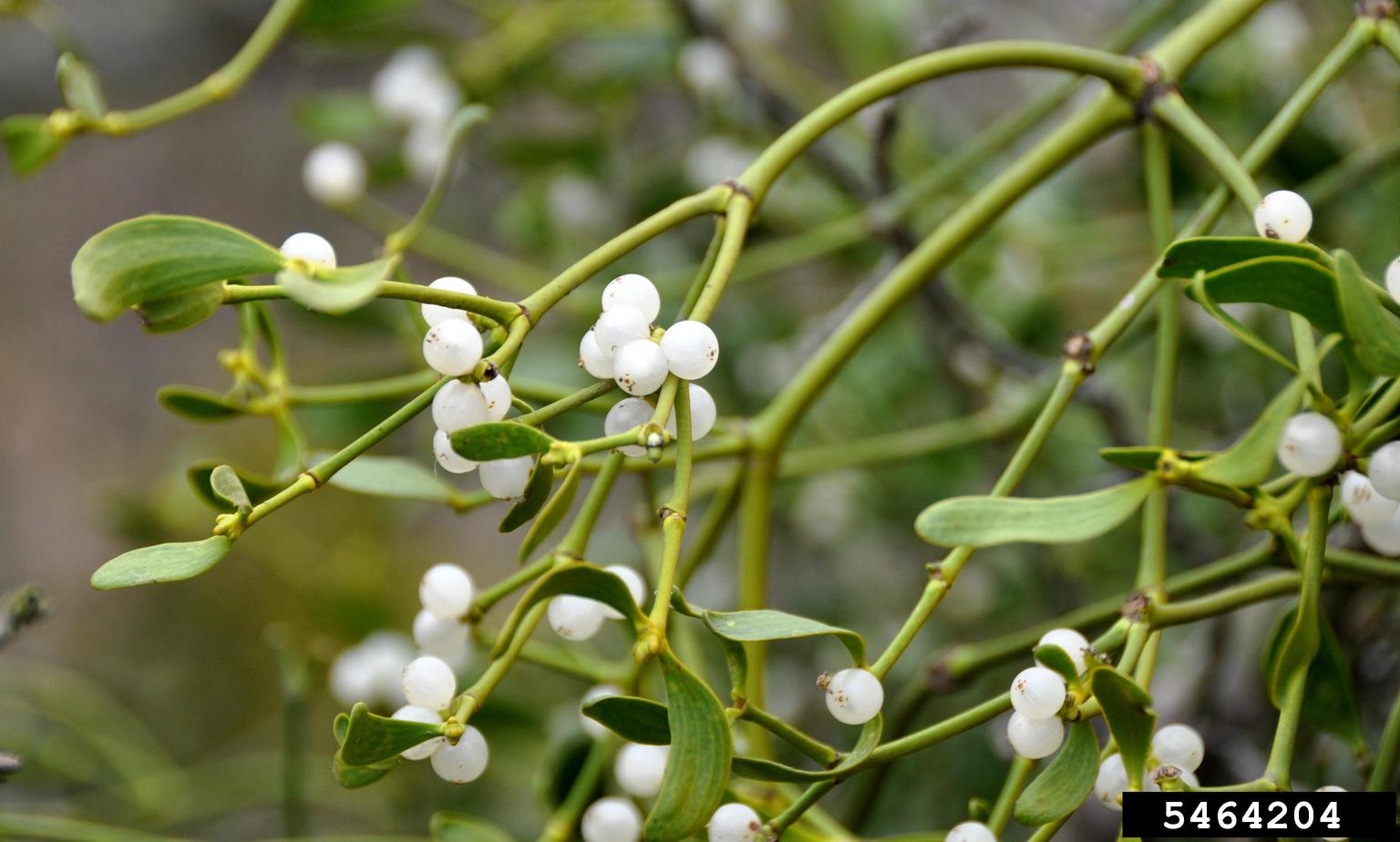
The present study aims to report the clinical case of a sixteen-year-and-ten-month-old male feline, domiciled in the municipality of Natal, Rio Grande do Norte, (Brazil), diagnosed with a suspected neoplasm in the initial portion of the ascending colon, who showed significant clinical improvement after phytotherapeutic treatment with Viscum album L. (European mistletoe). Viscum album is a medicinal plant widely used in integrative medicine for therapeutic purposes. Its extracts contain compounds that exhibit immunomodulatory, anti-inflammatory, and antitumor effects. In oncological treatments, Viscum album may contribute to immune system stimulation, pain reduction, improvements to well-being, and control of chronic processes. The patient underwent serial imaging and laboratory examinations, which revealed alterations consistent with intestinal involvement, as well as mild renal and hepatic dysfunction. Considering the anesthetic risks and advanced age, an integrative therapeutic approach was chosen, consisting of subcutaneous administration of Viscum album on an alternating schedule over a one-month period. After completion of the therapeutic protocol and ultrasonographic reevaluation, the absence of focal thickening of the intestinal wall and improvement in wall stratification were observed, along with stability of the mesenteric lymph nodes, suggesting a possible positive response temporally associated with treatment. These findings indicate a favorable response associated with the therapy employed, possibly mediated by the immunomodulatory and antitumor effects of the plant. The study highlights the relevance of phytotherapy as an adjuvant option in veterinary oncology, particularly in geriatric patients with contraindications for surgical intervention. Additionally, it emphasizes the need for controlled clinical studies to establish efficacy, safety, and usage guidelines.
References
Alves, M. R., & Feeback, L. U. (2024). Uso medicinal da Cannabis sativa na oncologia veterinária. PUBVET, 18(6), 1–9. https://doi.org/10.31533/pubvet.v18n06e1603.
Antunes, M. I. P. P., Moreno, K., & Grumadas, C. E. S. (2008). Avaliação e manejo da dor em cães e gatos com câncer-revisão. Arquivos de Ciências Veterinárias e Zoologia da UNIPAR, 11(2), 113–119.
Bentubo, H. D. L., Tomaz, M. A., Bondan, E. F., & Lallo, M. A. (2007). Expectativa de vida e causas de morte em cães na área metropolitana de São Paulo (Brasil). Ciência Rural, 37(4), 1021–1026. https://doi.org/10.1590/s0103-84782007000400016.
Bergman, P. J. (2013). Neoplasia. Small intestine. In R. J. Washabau & M. J. Day (Eds.), Canine and feline gastroenterology (pp. 651–728). Elsevier Saunders.
Biller, B., Berg, J., Garrett, L., Ruslander, D., Wearing, R., Abbott, B., Patel, M., Smith, D., & Bryan, C. (2016). 2016 AAHA oncology guidelines for dogs and cats. Journal of the American Animal Hospital Association, 52(4), 181–204. https://doi.org/10.5326/JAAHA-MS-6570.
Blackwood, L., Murphy, S., Buracco, P., De Vos, J. P., De Fornel‐Thibaud, P., Hirschberger, J., Kessler, M., Pastor, J., Ponce, F., & Savary-Bataille, K. (2012). European consensus document on mast cell tumours in dogs and cats. Veterinary and Comparative Oncology, 10(3), e1–e29. https://doi.org/10.1111/j.1476-5829.2012.00341.x.
Campos, F. G., Teixeira, M. G., Scanavini, A., Almeida, M. G., Nahas, S. C., & Cecconello, I. (2013). Neoplasias intestinais e extraintestinais em pacientes com doença inflamatória intestinal em hospital terciário. Arquivos de Gastroenterologia, 50(2). https://doi.org/10.1590/S0004-28032013000200021.
Costa, C. P. F. (2023). Visco: Um álbum na medicina veterinária de pequenos animais (Vol. 1, Number 1, pp. 1–53).
Couto, C. G. (2015). Oncologia. In R. G. Nelson & C. G. Couto (Eds.), Medicina interna de pequenos animais (pp. 1105–1107). Elselvier Saunders.
Daleck, C. R., Fonseca, C. S., & Canola, J. C. (2016). Oncologia em cães e gatos. Roca.
De Nardi, A. B., Gomes, C. M. S., Fonseca, C. E. A., Paiva, F. N., Linhares, L. C. M., Carra, G. J. U., Santos, R. H., Ruiz Sueiro, F. A., Jark, P. C., Nishiya, A. T., Vasconcellos, C. C. H., Ubukata, R., Batschinski, K., Sobral, R. A., Fernandes, S. C., Biondi, L. R., Strefezzi, R. F., Matera, J. M., Rangel, M. M. M., Dagli, M. L. Z. (2023). Diagnosis, prognosis, and treatment of canine hemangiosarcoma: A review based on a consensus Organized by the Brazilian Association of Veterinary Oncology, ABROVET. In Cancers (Vol. 15, Number 7). https://doi.org/10.3390/cancers15072025.
Fantoni, D. T. (2012). Tratamento da dor na clínica de pequenos animais. Elsevier Brasil.
Fantoni, D. T., & Mastrocinque, S. (2005). Analgesia preventiva. In P. E. Otero (Ed.), Dor: Avaliação e tratamento em pequenos animais (pp. 76–80). Interbook.
Fleming, J. M., Creevy, K. E., & Promislow, D. E. L. (2011). Mortality in North American dogs from 1984 to 2004: An investigation into age-, size-, and breed-related causes of death. Journal of Veterinary Internal Medicine, 25(2), 187–198. https://doi.org/10.1111/j.1939-1676.2011.0695.x
Fossum, T. W. (2021). Cirurgia de pequenos animais (3ed.). Elsevier Editora.
Grüntzig, K., Boo, G., Graf, R., Guscetti, F., Hässig, M., Axhausen, K. W., Fabrikant, S. I., & Pospischil, A. (2016). Swiss feline cancer registry 1965–2008: The influence of sex, breed and age on tumour types and tumour locations. Journal of Comparative Pathology, 154(2–3), 195–210. https://doi.org/10.1016/j.jcpa.2015.11.003.
Hughes, J. M. L. (2008). Anesthesia for the geriatric dog and cat. Irish Veterinary Journal, 61(6), 380–387. https://doi.org/10.1186/2046-0481-61-6-380.
Khil, L. Y., Kim, W., Lyu, S., Park, W. B., Yoon, J. W., & Jun, H. S. (2007). Mechanisms involved in Korean mistletoe lectin-induced apoptosis of cancer cells. World Journal of Gastroenterology, 13(20), 227. https://doi.org/10.3748/wjg.v13.i20.2811.
Loef, M., & Walach, H. (2020). Quality of life in cancer patients treated with mistletoe: a systematic review and meta-analysis. BMC Complementary Medicine and Therapies, 20(1), 227. https://doi.org/10.1186/s12906-020-03013-3.
Lucena Júnior, L. C., Lopes, E. B., Santos, C. M., Valois, A. A. C., Menezes, N. J., Santana, S. S., & Lima, I. S. S. (2021). Tratamento integrativo homeopático e farmacopuntura com Viscum album em carcinoma mamário canino: Relato de caso. PUBVET, 15(6), 1–9. https://doi.org/10.31533/pubvet.v15n06a835.1-9.
Majeed, M., Hakeem, K. R., & Rehman, R. U. (2021). Mistletoe lectins: From interconnecting proteins to potential tumour inhibiting agents. Phytomedicine Plus, 1(3). https://doi.org/10.1016/j.phyplu.2021.100039.
Nagarajan, D., & McArdle, S. E. B. (2018). Immune landscape of breast cancers. Biomedicines, 6(1), 20. https://doi.org/10.3390/biomedicines6010020.
Nagase, N. F., Coutinho, A. S., Bittencourt, G. C., Coelho, V. S., Fiuza M, B., Prada M., B., & Kolber, M. (2011). Neoplasia de intestino delgado de cães: Relato de caso. Revista de Educação Continuada em Medicina Veterinária e Zootecnia do CRMV-SP, 9(2), 42–43.
O’Neill, D. G., Church, D. B., McGreevy, P. D., Thomson, P. C., & Brodbelt, D. C. (2013). Longevity and mortality of owned dogs in England. The Veterinary Journal, 198(3), 638–643. https://doi.org/10.1016/j.tvjl.2013.09.020
Ostermann, T., Appelbaum, S., Poier, D., Boehm, K., Raak, C., & Bussing, A. (2020). A Systematic Review and Meta-Analysis on the Survival of Cancer Patients Treated with a Fermented Viscum album L. Extract (Iscador): An Update of Findings. In Complementary Medicine Research (Vol. 27, Number 4). https://doi.org/10.1159/000505202
Pelini, P. (2023). Action of Viscum album L.. on Diabetes and Hypertension in the Veterinary Field. Preprints.Com, 5 oct. 202.
Raditic, D. M., & Bartges, J. W. (2014). Evidence-based integrative medicine in clinical veterinary oncology. Veterinary Clinics of North America - Small Animal Practice, 44(5), 831–853. https://doi.org/10.1016/j.cvsm.2014.06.002
Sobral, R. A., & De Nardi, A. B. (2016). Tumores do trato digestório. In C. R. Daleck & A. B. De Nardi (Eds.), Oncologia em cães e gatos (2a. ed., Vol. 1, pp. 586–597). Roca.
Stein, G. M., & Kummer, M. (2012). Therapeutic use of Viscum album in veterinary oncology: Mechanisms and clinical application. Veterinary Journal of Oncology, 3(2), 77–83.
Valle, A. C. V., & Carvalho, A. C. (2022). Integrative oncology using the viscum album therapy improves quality of life in a dog diagnosed with oral fibrosarcoma - Case report. Brazilian Journal of Development, 8(3), 17732–17754. https://doi.org/10.34117/bjdv8n3-149.
Valle, A. C. V., Valle, M. L. P. V., & Carvalho, A. C. (2024). Terapia Viscum album injetável no tratamento e sobrevida de paciente diagnosticado com carcinoma hepatóide. PUBVET, 18(3). https://doi.org/10.31533/pubvet.v18n03e1560.
Valle, A. C. V. (2020). In vitro and in vivo evaluation of the ultra-diluted Viscum album efficacy and safety. Catholic University of Brasília – UCB. Brasília, Brazil.
Valle, A. C. V, & Carvalho, A. C. (2021). Homeopathic Viscum Album on the Treatment of Squamous Cell Carcinoma Lesion in a Dog (Canis familiaris): Case report. Integrative Journal of Veterinary Biosciences, 5, 1–3. https://doi.org/10.31038/ijvb.2021523.
Wider, B., Rostock, M., Huntley, A., van Ackeren, G., & Horneber, M. (2022). Mistletoe extracts for cancer treatment. Cochrane Database of Systematic Reviews, 2022(8). https://doi.org/10.1002/14651858.CD014782.
Willard, M. D. (2012). Alimentary neoplasia in geriatric dogs and cats. Veterinary Clinics: Small Animal Practice, 42(4), 693–706. https://doi.org/10.1016/j.cvsm.2012.04.006.
Yosri, N., Kamal, N., Mediani, A., Abouzid, S., Swillam, A., Swilam, M., Ayyat, A. M., & Jantan, I. (2024). Immunomodulatory Activity and Inhibitory Effects of Viscum album on Cancer Cells, Its Safety Profiles and Recent Nanotechnology Development. In Planta Medica (Vol. 90, Number 14, p. 10383). https://doi.org/10.1055/a-2412-8471.
Yousefvand, S., Fattahi, F., Hosseini, S. M., Urech, K., & Schaller, G. (2022). Viscotoxin and lectin content in foliage and fruit of Viscum album L. on the main host trees of Hyrcanian forests. Scientific Reports, 12(1), 10383. https://doi.org/10.1038/s41598-022-14504-3.
Downloads
Published
Issue
Section
License
Copyright (c) 2026 Lindyane Amanda Gomes da Fonseca, Ana Luiza de Carvalho Farias Ferreira, Jorge Rodríguez, Isabel Bezerra Ribeiro

This work is licensed under a Creative Commons Attribution 4.0 International License.
Você tem o direito de:
Compartilhar — copiar e redistribuir o material em qualquer suporte ou formato
Adaptar — remixar, transformar, e criar a partir do material para qualquer fim, mesmo que comercial.
O licenciante não pode revogar estes direitos desde que você respeite os termos da licença. De acordo com os termos seguintes:
Atribuição
— Você deve dar o crédito apropriado, prover um link para a licença e indicar se mudanças foram feitas. Você deve fazê-lo em qualquer circunstância razoável, mas de nenhuma maneira que sugira que o licenciante apoia você ou o seu uso. Sem restrições adicionais
— Você não pode aplicar termos jurídicos ou medidas de caráter tecnológico que restrinjam legalmente outros de fazerem algo que a licença permita.