Intelligent reproductive management in horses: how daily decisions influence the success of reproductive protocols
DOI:
https://doi.org/10.31533/pubvet.v19n08e1816Keywords:
Animal welfare, embryo transfer, equine reproduction, ICSI, reproductive managementAbstract
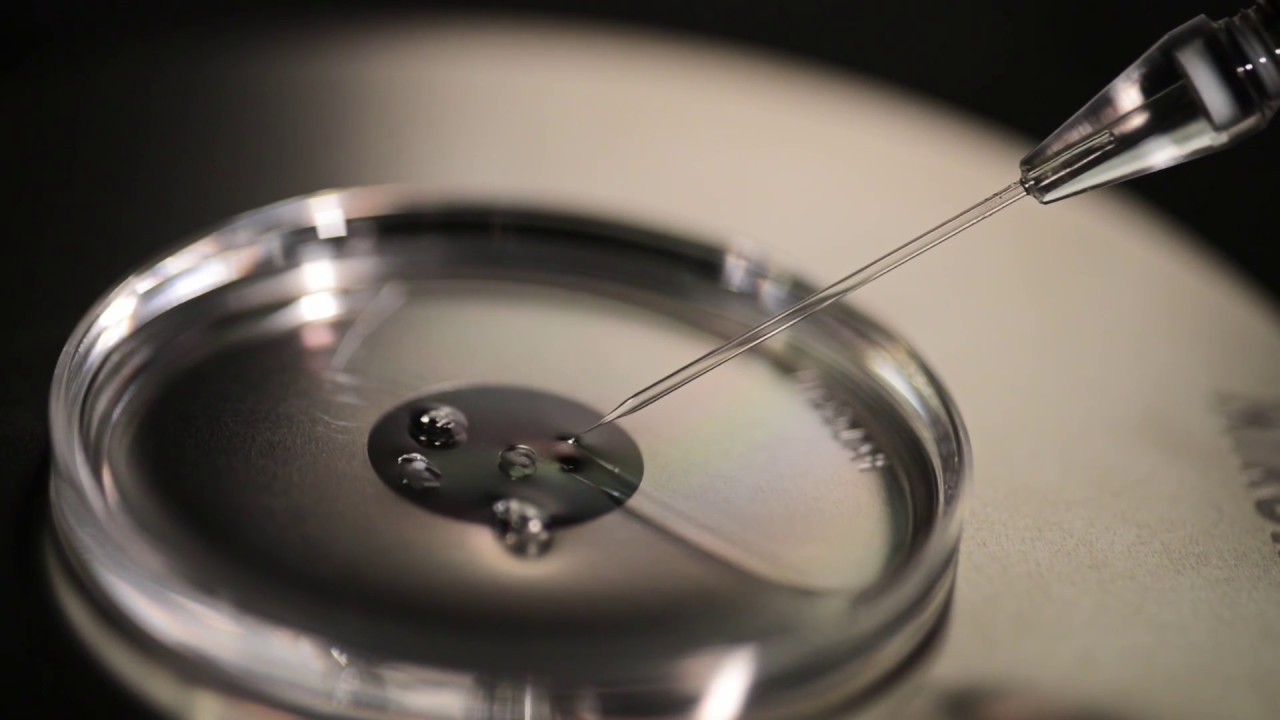
The evolution of reproductive biotechnologies, such as intracytoplasmic sperm injection (ICSI) and embryo transfer (ET), has significantly enhanced the genetic potential of the equine industry. However, the success of these techniques depends not only on laboratory expertise but, primarily, on intelligent reproductive management — one that observes, respects and anticipates the needs of the animals involved. This article aims to discuss, based on practical experience and scientific literature, how everyday decisions in horse management directly influence the success rates of assisted reproduction protocols. Factors such as heat stress, collection environment, nutrition, body condition, and external stimuli are addressed as key variables affecting procedural efficiency. Our goal is to broaden the technical awareness of professionals in the field and reinforce the idea that, in modern equine reproduction, excellence lies not only in equipment or techniques, but in the intelligence applied to animal management and welfare.
References
Aurich, C. (2011). Reproductive cycles of horses. Animal Reproduction Science, 124(3–4), 220–228. https://doi.org/10.1016/j.anireprosci.2011.02.005.
Barbacini, S., Zavanella, K. L., Stranfella, E., & Tarantino, C. (2019). Factors affecting semen quality in stallions. Journal of Equine Veterinary Science, 82, 102792.
Blanchard, T. L., Varner, D. D., & Schumacher, J. (1998). Manual of equine reproduction. Mosby.
Boeta, M., & Zarco, L. (2012). Uterine post-breeding inflammatory response in the mare: A review. Journal of Equine Veterinary Science, 32(9), 498–506.
Bonin, B. F., Júnior Dell’Agua, J. A., Fioratti, E. G., & Alvarenga, M. A. (2010). Efeito do tratamento com extrato de pituitária equina na resposta ovariana e eficiência reprodutiva de éguas idosas em programa de transferência de embriões. Veterinária e Zootecnia, 17, 94–103.
Carnevale, E. M. (2021). Factors affecting oocyte quality and competence in the mare. Reproduction Fertility and Development, 33(4), 233–240.
Christoffersen, M., & Troedsson, M. H. T. (2017). Inflammation and fertility in the mare. Reproduction in Domestic Animals, 52. https://doi.org/10.1111/rda.13013.
Cooper, J. J., & Mason, G. J. (1998). The identification of abnormal behaviour and behavioural problems in stabled horses and their relationship to horse welfare: A comparative review. In Equine veterinary journal. Supplement (Issue 27, pp. 5–9). https://doi.org/10.1111/j.2042-3306.1998.tb05136.x
Correia, S. C., Pereira, R. M. L. N., Carolino, N., Avila, O., & Duarte, S. C. (2021). Equine embryo transfer: The effect of semen processing and donor mare management on recovery rates. Archivos de Zootecnia, 70(270). https://doi.org/10.21071/az.v70i270.5472
Farias, D. K., Bunn, S., Friso, A. de M., Thaler, A., Mezzalira, A., Pinto, M. G. L., Oliveira, R. A., & Mozzaquatro, F. D. (2019). Superovulação em éguas da raça Crioula e Quarto de Milha com extrato de pituitária equina (EPE). Ciência Animal Brasileira, 20(e-37582), 1–8. https://doi.org/10.1590/1089-6891v20e-37582.
Fonte, J. S., Alonso, M. A., Maserati Junior, M. P., Gonçalves, M. A., Pontes, J. H., Bordignon, V., Fleury, P. D. C., Fernandes, C. B. (2024). Successful equine in vitro embryo production by ICSI – effect of season, mares’ age, breed, and phase of the estrous cycle on embryo production. Theriogenology, 223, 47-52. https://doi.org/10.1016/j.theriogenology.2024.04.007
Freestone, J. F., Wolfsheimer, K. J., & Ford, R. B. (2008). Insulin resistance in horses: Nutritional implications. Veterinary Clinics of North America: Equine Practice, 24(2), 299–314.
Geor, R. J., & Harris, P. (2009). Dietary management of obesity and insulin resistance: Countering risk for laminitis. Veterinary Clinics of North America - Equine Practice, 25(1). https://doi.org/10.1016/j.cveq.2009.02.001.
Harris, P. A. (1999). Review of equine feeding and stable management practices in the UK concentrating on the last decade of the 20th century. Equine Veterinary Journal, 31(S28), 46–54. https://doi.org/10.1111/j.2042-3306.1999.tb05156.x.
Hinrichs, K. (2018). Assisted reproductive techniques in mares. Reproduction in Domestic Animals, 53, 29–35. https://doi.org/10.1111/rda.13259.
Hurtgen, J. P. (2008). Management of embryo donor mares with chronic infertility. Practitioners Proceedings of the 54th Annual Convention of the American Association of Equine Practitioners December, 6–10.
Janini, L. C. Z., Silva-Júnior, E. R., Tironi, S. M. T., Mendonça, V. H., Cruz, L. D., Ramos, A. F., & Cipriano, R. S. (2020). Intrauterine infusion reduces inflammatory status and could be increased the embryo recovery in mares with chronic endometritis. PUBVET, 14(3), 1–6. https://doi.org/10.31533/pubvet.v14n3a528.1-6.
Kaczmarek, K., Janicki, B., & Głowska, M. (2016). Insulin resistance in the horse: A review. Journal of Applied Animal Research, 44(1). https://doi.org/10.1080/09712119.2015.1091340
Lebedeva, L. F., Atroshchenko, M. M., & Burmistrova, S. A. (2015). Main factors affecting mare insemination with cryopreserved domestic and foreign sperm. Sel’skokhozyaistvennaya Biologiya, 50(4). https://doi.org/10.15389/agrobiology.2015.4.476eng.
Love, C. C., & Thomassen, R. (2019). The stallion: Fertility and factors affecting semen quality. In A. O. McKinnon, E. L. Squires, D. D. Varner, & T. L. Blanchard (Eds.), Equine reproduction (Vol. 1, pp. 1885–1910). Willey-Blackwell.
McCue, P. M. (2016). Ovarian response to hormonal stimulation in mares. Theriogenology, 86(1), 1–5.
McCue, P. M., & Ferris, R. A. (2015). New approaches to improving fertility in mares. Equine Veterinary Education, 3, 130–133.
McCue, P. M., & Ferris, R. A. (2018). Management of the donor mare for embryo transfer. Equine Veterinary Education, 30(6), 336–342.
McDonnell, S. M. (2000). Understanding horse behavior: The key to successful breeding management. Veterinary Clinics of North America: Equine Practice, 16(2), 419–430.
McKinnon, A. O., Squires, E. L., Vaala, W. E., & Varner, D. D. (2011). Equine reproduction. John Wiley & Sons.
Nikitkina, E. V. (2023). The genetic basis of the sperm quality of stallions. International Journal of Veterinary Medicine, 4. https://doi.org/10.52419/issn2072-2419.2023.4.413.
Perez-Osorio, J., Camacho-Rozo, C. A., Rojas-Garcia, E., & Pardo, C. (2020). Effect of donor status, embryo grades and recipient management on pregnancy rates in a commercial equine embryo transfer program in the tropics. Journal of Equine Veterinary Science, 89. https://doi.org/10.1016/j.jevs.2020.103089.
Popescu, S., Lazar, E. A., Borda, C., Niculae, M., Sandru, C. D., & Spinu, M. (2019). Welfare quality of breeding horses under different housing conditions. Animals, 9(3). https://doi.org/10.3390/ani9030081.
Samper, J. C., & Estrada, A. (2016). Management of mares for optimal ovarian response. Current Therapy in Equine Reproduction.
Squires, E. L. (2008). Hormonal manipulation of the mare: a review. Journal of Equine Veterinary Science.
Squires, E. L., & McCue, P. M. (2007). Superovulation in mares. Animal Reproduction Science, 99(1–2), 1–8. https://doi.org/10.1016/j.anireprosci.2006.04.054.
Turner, R. M. (2008). Management of the stallion for optimal semen production. Theriogenology, 70, 299–304.
Vallejo Aristizábal, V. H., Mogollón García, H. D., da Silva, M., Sant’anna, E., & Júnior Dell’Aqua, J. A. (2017). Transferência de embriões em éguas receptoras anovulatórias. Revista de Medicina Veterinaria, 33, 137–147.
Vidament, M. (2005). French field results (1985-2005) on factors affecting fertility of frozen stallion semen. Animal Reproduction Science, 89(1-4 SPEC. ISS.). https://doi.org/10.1016/j.anireprosci.2005.07.003.
Visser, E. K., Ellis, A. D., & Van Reenen, C. G. (2008). The effect of two different housing conditions on the welfare of young horses stabled for the first time. Applied Animal Behaviour Science, 114(3–4), 1–24. https://doi.org/10.1016/j.applanim.2008.03.003.
Downloads
Published
Issue
Section
License
Copyright (c) 2025 Luiz Carlos Delgobbo Santos

This work is licensed under a Creative Commons Attribution 4.0 International License.
Você tem o direito de:
Compartilhar — copiar e redistribuir o material em qualquer suporte ou formato
Adaptar — remixar, transformar, e criar a partir do material para qualquer fim, mesmo que comercial.
O licenciante não pode revogar estes direitos desde que você respeite os termos da licença. De acordo com os termos seguintes:
Atribuição
— Você deve dar o crédito apropriado, prover um link para a licença e indicar se mudanças foram feitas. Você deve fazê-lo em qualquer circunstância razoável, mas de nenhuma maneira que sugira que o licenciante apoia você ou o seu uso. Sem restrições adicionais
— Você não pode aplicar termos jurídicos ou medidas de caráter tecnológico que restrinjam legalmente outros de fazerem algo que a licença permita.